PUD MANAGEMENT
Planned Unit Development Management
Planned unit developments don’t follow the same rules as traditional subdivisions. Your PUD has zoning flexibility that permits mixed housing types, varied lot sizes, and creative use of open space within one development. That flexibility brings management complexity. Traditional HOA approaches don’t account for the unique governance structure PUDs require, the relationship with municipal authorities, or the varied property types existing under one association.
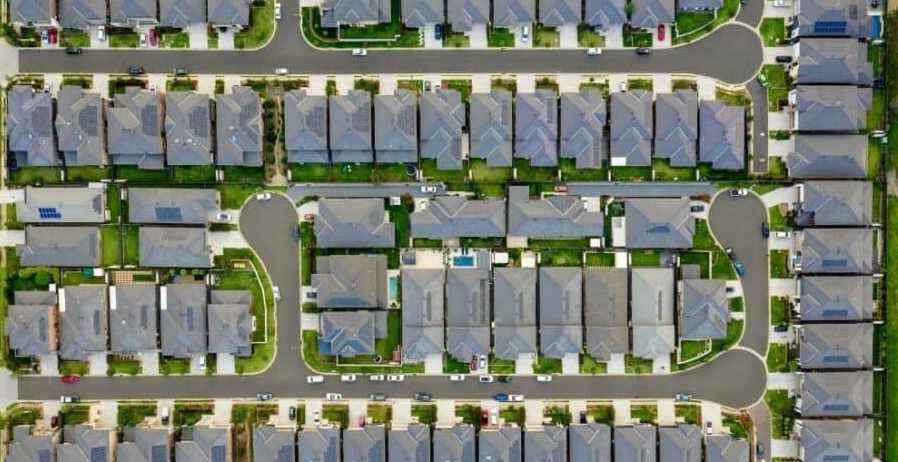
Managing PUDs takes experience with flexible zoning, mixed housing arrangements, and the regulatory framework governing these developments. Nova specializes in planned unit development management with services built around the Board Member Experience® and Homeowner Experience®. Your PUD might blend single-family homes with townhomes and condominiums, include substantial common open space, or feature amenities serving the entire development. Our team-based approach handles the complexities PUD governance creates.
We work with planned unit developments where management success depends on understanding the unique regulatory framework, coordinating varied property types, and maintaining the integrated vision that makes PUDs attractive to residents.
What Makes PUD Management Different
Planned unit developments differ fundamentally from standard subdivisions. PUDs gain zoning approval through negotiations with municipal authorities, creating development agreements that shape how your community operates for decades.
Zoning flexibility allows PUDs to blend housing types that wouldn’t coexist in traditional zoning. Your development might include single-family homes on varying lot sizes, townhomes, condominiums, and commercial spaces within one planned community. This flexibility creates value but adds management complexity.
Common areas in PUDs often exceed those of traditional HOAs. Your development might include substantial open space preserved as part of the development agreement, extensive trail systems, stormwater management facilities, and recreation areas serving the entire community. These amenities may have specific maintenance requirements outlined in your PUD approval.
Development agreements create ongoing obligations. Your PUD operates under conditions negotiated during the approval process. These might include density requirements, open space preservation, amenity provision, or architectural standards that differ from standard municipal codes. Your board manages operations while maintaining compliance with these negotiated terms.
Governance structures in PUDs can be more complex than traditional HOAs. Multiple associations may exist within one PUD, managing different property types while sharing certain common facilities. Master associations coordinate between sub-associations. Your PUD might have overlapping governance addressing different aspects of community management.
Our approach draws from years of managing PUDs. We coordinate the complex governance these developments create while maintaining compliance with development agreements and municipal requirements.
The Board Member Experience® for PUDs
Serving on a PUD board means navigating governance complexity beyond typical HOA operations. Our Board Member Experience® gives your board the guidance needed to govern planned unit developments effectively.
Meeting Optimization™
We introduced Meeting Optimization™ for running efficient board meetings where decisions address the unique requirements PUDs face. PUD boards manage multiple property types with different maintenance obligations, coordinate compliance with development agreements, oversee substantial common areas and open space, address infrastructure serving varied housing types, and maintain relationships with municipal authorities regarding PUD operations.
Your manager arrives prepared with organized agendas addressing PUD-specific issues, documentation covering development agreement requirements, financial summaries reflecting the complex budgeting PUDs create, and professional recommendations based on managing comparable planned unit developments.
Board documentation matters in PUDs. Development agreements and municipal relationships mean your board faces ongoing compliance requirements. Historical records give context for decisions about how your PUD operates within its regulatory framework.
Strategic Planning for Complex Developments
PUDs face capital planning across varied property types and substantial common areas. Infrastructure serves different housing types with different usage patterns. Open-space preservation may require specialized maintenance. Amenities serve your entire development. Reserve planning accounts for facilities with varying lifecycles and maintenance requirements.
We bring PUD experience to capital planning discussions. Your board makes decisions supported by reserve studies reflecting your planned unit development’s unique structure, along with planning that accounts for varied property types and common facilities.
Vendor management in PUDs coordinates services across different property types and common areas. Landscaping addresses individual property needs, plus substantial common open space. Infrastructure maintenance serves varied housing types. Vendors must understand PUD structures and the requirements that development agreements create.
Governance Within PUD Frameworks
Board service in PUDs means operating within the regulatory framework your development agreement creates. Your board makes decisions affecting multiple property types while maintaining compliance with negotiated terms governing your PUD’s operations.
We guide boards through PUD governance requirements. Your board establishes policies respecting varied property types while meeting development agreement obligations. Professional management helps boards navigate the unique regulatory environment PUDs create.




The Homeowner Experience in PUDs
Residents in planned unit developments expect management that understands PUD operations and the varied property types within your development. Our thorough approach delivers support tailor-made for PUD environments.
Communication Across Varied Property Types
PUDs need clearly-crafted communication that reaches residents across different property types. Single-family homeowners worry about issues other than those faced by townhome or condominium residents. Common-area maintenance affects everyone, but the impact varies by property type. Development agreement requirements may create obligations affecting specific sections.
Our solution team manages communications across your PUD, getting information to appropriate audiences with context for their property type and relationship to common facilities.
Responsive Support for PUD Residents
Questions in PUDs reflect the varied property types and complex governance your development creates. Maintenance responsibility questions depend on the property type and development agreement terms. Common area inquiries relate to the substantial amenities and open space that PUDs include. Inquiries are channeled to team members who are experts in both the specific question and the governance structure of your Planned Unit Development (PUD).
Standards Across Property Types
PUDs maintain standards while recognizing that different property types have different maintenance structures. Architectural guidelines may vary across sections based on housing type. Maintenance obligations differ between single-family homes, townhomes, and condominiums. Enforcement accounts for these variations while maintaining consistent community standards.
Our partnership with Optics 360 system provides oversight across all property types within your PUD. Vehicle-mounted cameras capture conditions throughout your development, covering different housing types and substantial common areas with consistent attention.
Documentation creates objective records across your PUD’s varied sections. Video coverage addresses questions about conditions, maintenance, and standards affecting different property types and common facilities.
Technology for PUD Management
Planned unit developments need technology to handle the complexity of managing varied property types, substantial common areas, and the governance framework development agreements create.
Optics 360 for PUD Oversight
PUDs benefit from video documentation covering different property types and common facilities. Optics 360 captures footage throughout your development, recording conditions across single-family, townhome, and condominium sections, plus substantial common areas and open space.
The system includes modules for monitoring common areas and tracking projects affecting PUD facilities. Video records help PUDs where varied property types and substantial amenities create questions about conditions and maintenance.
Cloud-Based Documentation
PUDs generate substantial documentation reflecting development complexity. Governing documents address multiple property types. Development agreements outline ongoing obligations. Assessment records reflect different structures for varied housing types. Vendor contracts specify services across different sections and common facilities.
Comprehensive documentation provides board members with access to the governance framework and development agreements that shape your PUD’s operations. New board members understand the regulatory environment and the varied property structure your planned unit development creates.

Working Within Development Agreements
PUDs operate under development agreements negotiated during the approval process. These agreements create ongoing obligations and shape how your community functions. Professional management coordinates operations while maintaining compliance with these negotiated terms.
We work with municipal authorities when PUD operations involve development agreement interpretation or modifications. Our experience with planned unit developments means we understand the regulatory framework these communities create and how it affects management operations.
Building Successful PUDs
Planned unit developments succeed when they use their flexibility and variety as strengths rather than letting the complexity overwhelm operations. This involves coordinating different property types under a single governance structure, maintaining substantial common areas and amenities, meeting development agreement obligations, and preserving the vision set out in the original planning.
We work with boards managing PUDs that feature varied housing types and substantial common facilities, creating value for residents. Professional management coordinates operations across different property types while maintaining the planned community vision.
Your board focuses on governance within your PUD’s framework. Operations run smoothly across a variety of property types. Residents throughout your development receive appropriate support. Standards apply fairly while recognizing different property structures. This is how planned unit developments thrive.
Managing a planned unit development? Contact Nova today to learn how our approach serves PUDs with varied property types and complex governance structures.

Ask Stella Anything
Our digital assistant is here for you day or night to answer questions and deploy solutions immediately.