PROFESSIONAL HOA MANAGEMENT
Professional HOA Management Services Across the Seattle Metro Area
If you’ve ever tried managing an HOA anywhere in the Seattle Metro Area, you already know it’s nothing like managing communities in other parts of the country.

What works in one city here doesn’t necessarily translate to another town twenty minutes away. Bellevue has its own quirks. So does Kirkland. Redmond operates differently from Sammamish, and Bothell has challenges you won’t find in Issaquah.
The weather alone creates problems most other markets never deal with. Rain doesn’t take a break here, so your drainage systems need constant attention, or you’ll end up with water damage nobody budgeted for. Moss takes over roofs faster than boards expect. Older buildings around Lake Washington require a completely different maintenance approach than newer construction in Redmond or Sammamish.
Then there’s the regulatory side. Washington keeps changing HOA laws, and what was perfectly fine a few years back might land your board in hot water today. Earthquake preparedness isn’t optional here like it is in other states. You should consider seismic retrofitting when planning ahead.
Most management companies try to apply the same basic approach everywhere. That doesn’t work here. You need people who actually understand the Seattle Metro Area, not a national company using some generic playbook written for Florida or Arizona.
Why the Seattle Metro Area Is Different
You can’t lump Bellevue high-rises together with Kirkland waterfront townhomes and expect the same management approach to work. A condo building in downtown Bellevue has mechanical systems that require specialized vendors. Try finding someone who actually knows what they’re doing with commercial HVAC or elevator maintenance; they’re booked months out, and they’re not cheap.
Kirkland waterfront properties face specific challenges that don’t exist elsewhere. Shoreline regulations are complex, and fixing a dock involves permits and environmental reviews that most boards don’t anticipate. It’s not something you can just hire any contractor to handle.
Redmond has a high concentration of tech workers who bring expectations about responsiveness and data transparency from their professional lives into their HOA interactions. Many Sammamish communities were built in phases over several years, so you end up with multiple boards trying to coordinate on shared issues while each has its own priorities and budget constraints. Bothell and Lynnwood have older infrastructure that requires strategic capital planning to avoid unexpected special assessments.
Property values here fluctuate in ways that complicate budgeting. One neighborhood might see 15% appreciation, while another area three miles away stays flat or even drops. That affects how you think about refinancing, what homeowners expect their monthly assessments to cover, and how aggressively you need to fund reserves.
The weather does things here that boards from other regions never anticipate. Heavy rain overwhelms drainage systems that seemed perfectly adequate when they were installed. Moss doesn’t just look bad; it actually damages roofing materials if you let it go too long. Older buildings need preventive maintenance that newer construction can skip for a while.
Your reserve study better use actual Seattle Metro costs, not some national average that pretends replacing a roof here costs the same as replacing one in Spokane. It doesn’t. Labor costs more. Materials cost more. Everything takes longer to schedule because the good contractors stay busy year-round.




Communities We Work With
Our customized management solutions extend across the full range of Seattle Metro associations. We work with high-rise condominiums in Bellevue that have complex building systems requiring specialized oversight. Kirkland’s waterfront properties face challenges such as obtaining shoreline permits and meeting environmental requirements that most inland communities never encounter. Redmond has a number of master-planned developments where several HOAs operate within the same overall community, which means boards need to coordinate on shared amenities and standards even when they don’t always see eye to eye on priorities. In Sammamish, townhome associations frequently find that architectural review requests consume a disproportionate amount of board meeting time as homeowners look to personalize their properties. Bothell and Lynnwood properties built decades ago require careful capital planning—the difference between scheduled improvements and emergency special assessments often comes down to how well boards plan for infrastructure replacement.
Each community has distinct requirements. Some associations need comprehensive support across all management functions. Other associations handle day-to-day operations themselves and bring us in for specific functions where they need expertise. We build service arrangements around what each community actually requires, rather than trying to fit every association into a single standard package.
What Board Service Should Actually Look Like
Being on an HOA board around here shouldn’t take over your life. Most board members already have demanding jobs, families, and about a thousand other things competing for their time. The volunteer role needs to be manageable, not some unpaid part-time job that eats up every evening and weekend.
Our Board Member Experience® approach focuses on making board service reasonable. Managers show up to meetings prepared. Agendas stick to what actually needs board decisions, rather than turning into hour-long information dumps. You get supporting documents in advance, so you’re not reading budget proposals for the first time during the meeting.
Financial statements make sense without requiring an accounting degree. Operating funds and reserves are clearly separated so you can see exactly where the money sits and what it’s designated for. When you’re reviewing the budget or discussing whether to do a special assessment, you have actual information to work with instead of guessing.
Board members shouldn’t be spending their time answering homeowner questions about pool hours or where to submit architectural applications. That’s not why people volunteer for boards, and it’s not an efficient use of anyone’s time. Our system keeps managers focused on the complex tasks that actually require their expertise, while routine questions are handled by people trained specifically for customer service.
How Homeowners Get Better Service
Homeowners around the Seattle Metro Area shouldn’t have to wait three days for someone to answer a simple question. When you submit an architectural request or ask about your account balance, you deserve a quick response. Our Homeowner Experience® delivers that consistently.
Daily homeowner interactions go to our Solution Team. Pool schedules, parking permits, questions about rules—these get answered fast by people whose job is specifically customer service. Your Association Manager isn’t fielding these calls because they’re handling vendor negotiations and board support.
Everyone benefits from this setup. Homeowners get faster responses. Managers can focus on complicated issues that require professional judgment. Board members don’t get dragged into every minor homeowner complaint because there’s an actual system for handling them.
When something needs escalation, the Association Coordinator jumps in. Nobody’s question gets ignored because someone went on vacation or had a busy afternoon.
Managing Budgets When Everything Costs More Here
Living in the Seattle Metro Area costs more than most places, and that hits association budgets hard. Contractors charge more here. Insurance companies keep raising premiums. Property taxes go up. Utilities fluctuate with regional energy costs. All of it adds up faster than boards expect.
Reserve studies that use national-average costs are basically worthless here. Replacing a roof in Bellevue costs way more than replacing one in Spokane. Finding contractors takes longer because the good ones stay booked. Sometimes materials need to be sourced from suppliers outside the immediate area, which extends project timelines and increases costs.
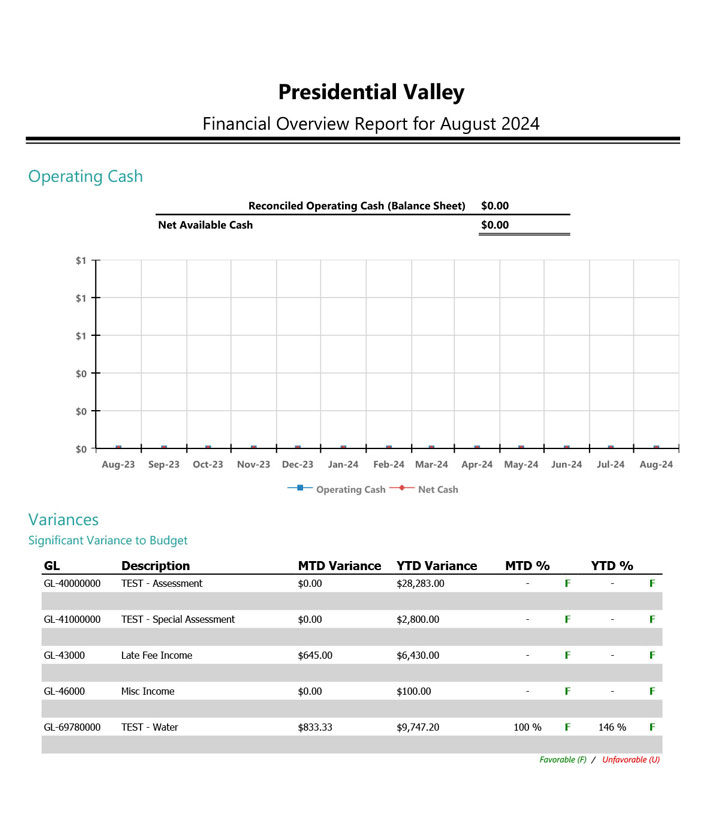
Financial management at Nova focuses on giving boards clear, accurate information. When we prepare budgets, we use current vendor quotes rather than estimates based on outdated data. Collections procedures follow Washington state requirements. Monthly statements break down where funds are going in straightforward terms instead of hiding details in vague categories.
Tax prep and audit support come from people who understand HOA accounting. Year-end financials get done right the first time. When your CPA reviews the books, or you’re preparing for an audit, everything is organized and ready to go.
Why Team-Based Management Actually Works
Old-school management companies put everything on one person. When that manager went on vacation, got sick, or quit, service quality tanked immediately. Deadlines got missed. Vendors stopped getting responses. Everything that manager knew walked out the door with them.
Our team approach fixes that problem. Association Managers handle board relations and complex problem-solving. Association Coordinators manage projects and vendor oversight. The Solution Team takes care of daily homeowner stuff. Everyone uses the same information systems, so service doesn’t drop off when someone’s out of the office.
The team structure makes a real difference for communities. Send an email about an urgent issue and you’ll get a response even if your main point of contact has already left for the day. Capital projects don’t stall out because one person is on vacation—other team members know the status and can keep things moving forward. When someone leaves the company, they don’t take all the institutional knowledge with them.
New board members can access organized records instead of trying to reconstruct history from fragments scattered across old email threads. When questions come up about previous board decisions—and they always do—the documentation exists to provide answers.
Montana communities handle harsh winters and specific seasonal maintenance requirements. Properties in growing cities like Bozeman and Missoula need management that understands both the environmental challenges and the state’s regulatory framework for community associations.
Using Technology Without Losing the Human Element
Technology should improve service, not replace the people who actually know your community. Optics 360 captures video of your property, which our team reviews for maintenance issues and compliance concerns. Board members can pull up this footage anytime to see what’s happening or check on how something has changed over time.
This matters especially for Seattle Metro boards, where members might not live in the community full-time or travel constantly for work. You can stay informed without driving over for every inspection. Historical footage gives you context when you’re discussing capital improvements or trying to figure out if a problem is actually getting worse.
Cloud-based systems put financial information where you need it. Wondering what happened two years ago when the board was arguing about reserve funding? It’s right there. Need to review old vendor contracts or meeting minutes? They’re in your portal, not locked in some filing cabinet nobody has the key to.

What Makes Us Different in This Market
Seattle Metro communities choose us because we actually understand this market. We know which vendors do solid work at fair prices. We’re familiar with how different cities handle things differently. We keep up with Washington state law changes that affect how HOAs operate.
Knowing the local market only helps if you’ve got solid systems backing it up. We combine regional expertise with management processes that have been refined over years of real-world use. You get managers who understand Seattle Metro, paired with systems designed to prevent problems rather than just react when things go wrong.
We’ve built relationships with reputable vendors throughout the area. Need an elevator maintenance contract in Bellevue? A landscape contractor in Kirkland? We already know companies we trust, and who know the nuances of working with associations. You’re not starting from scratch every time something needs attention.
Our team stays current through CAI (Community Associations Institute) and ongoing professional development. When regulations change, we understand what it means for your board and help you adapt.
Let's Talk About Your Community
If your Seattle Metro association needs professional management that actually understands this market, let’s have a conversation about what you’re dealing with and how we’d approach it.
Contact us to connect with our team. We’ll look at your association’s situation and explain how our approach would work for your specific needs. No generic sales pitch. No predetermined package that doesn’t fit. Just an honest discussion about whether we’re the right fit.

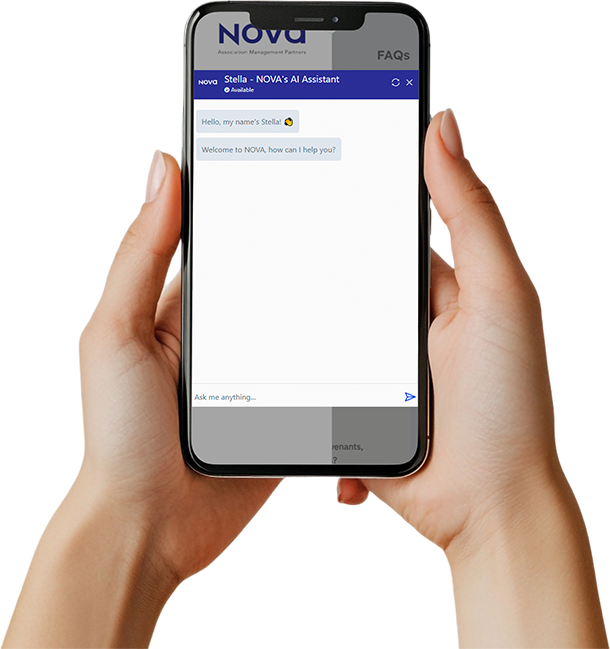
Ask Stella Anything
Our digital assistant is here for you day or night to answer questions and deploy solutions immediately.