PROFESSIONAL HOA MANAGEMENT
Professional HOA Management Services in Kirkland, Washington
The Eastside housing market doesn’t need much introduction. Kirkland sits right in the middle of it, with waterfront on one side and tech campuses within easy reach on the other.
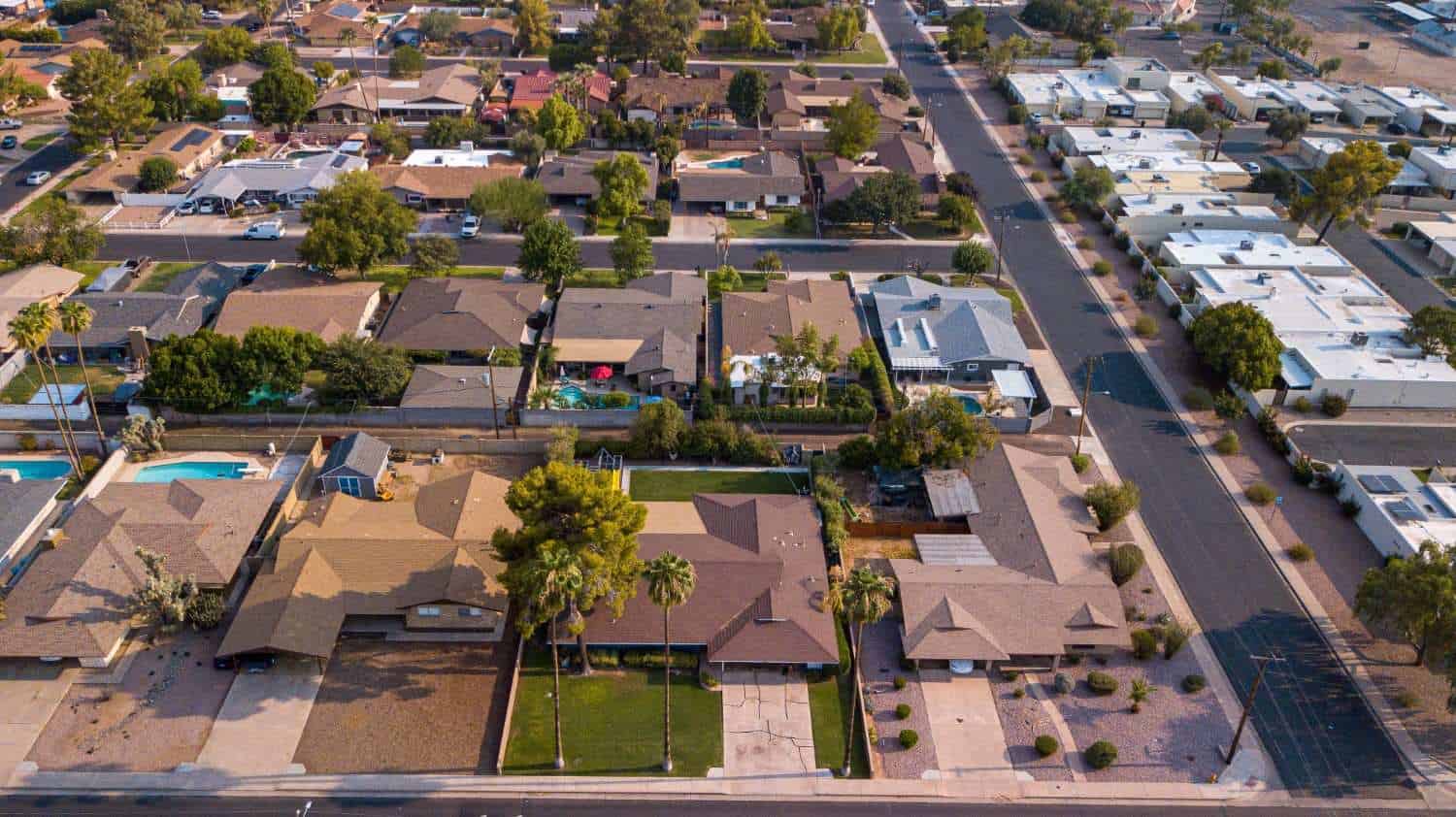
Property here holds value, and the variety of residential communities reflects years of infill development. Older condos near the lake. Townhome projects stacked along the Totem Lake corridor. Single-family HOAs in Juanita and Bridle Trails that have been around long enough to have some deferred maintenance conversations ahead of them.
A 1980s condo building and a brand-new townhome association have almost nothing in common from a management standpoint. The condo’s dealing with elevator contracts, aging plumbing, and a reserve fund that probably wasn’t built around what contractors charge now.
The townhome association is still figuring out quorum. Single-family HOAs in established Kirkland neighborhoods run steady architectural review activity because homeowners with $1.2 million houses pay attention to what their neighbors are doing to their exteriors. Different problems. Different board dynamics. Different vendor needs.
The climate doesn’t adjust for any of that. Moss grows. Gutters back up. Moisture finds its way into places it shouldn’t be, especially in buildings that haven’t had consistent preventive maintenance. Ignore it long enough, and you’re not looking at maintenance costs anymore, you’re looking at capital repairs.
Washington law is its own moving target. RCW 64.38 for HOAs, RCW 64.34 for condos. Both have been amended more than once in recent years. A board that’s running on guidance from a previous management company, especially one that stopped paying attention to legislative updates, can be out of compliance without anyone flagging it until something goes wrong.
Community That We Serve in Kirkland
Single-Family HOAs. Juanita, Bridle Trails, east of Market Street. These neighborhoods have homeowners who attend meetings, read the CC&Rs, and notice when the board treats one architectural application differently from another. It’s important for enforcement to be consistent, or it becomes a problem. Boards don’t need a management company that lets the review queue sit for three weeks.
Condominiums. From the large number of established 1980s waterfront units to the latest mixed-use developments in Totem Lake, Kirkland’s inventory is known to be diverse. RCW 64.34 sets a higher bar for condos than general HOA law, especially when it comes to financial reporting and reserve disclosures. Our condominium management focuses on these specific statutory demands rather than applying a generic template that misses the nuances of condo living.
Townhomes. Shared structures, shared maintenance, and more moving parts than a single-family association. The townhome communities emerging from the NE 85th and Totem Lake development activity have young boards. Most are still learning the ropes. Our townhome community management fits both new and established associations.
Large-Scale and Master-Planned. More property types, more vendors, more residents expecting things to work. The financial reporting alone takes longer. Communication has to be deliberate because the margin for things falling through is smaller.
Developer Services. New communities in Totem Lake will all hit the transition point eventually, when the developer steps back, and a homeowner board takes over. The quality of that handoff shapes the next five years. Clean financials and organized records make a real difference. Chaos at turnover tends to compound.
Gated and Lifestyle Communities. Amenity-heavy communities require more vendor coordination and residents who expect a higher standard of maintenance. Balancing that against operating costs is an ongoing exercise. It helps to know which contractors will actually deliver on their quotes.
Senior 55+. Slower pace, clearer communication expectations. Maintenance handled without much back-and-forth drama. Boards in these communities don’t want surprises.




What Kirkland Boards Get From Nova
The core work of HOA management is consistent across cities. What shifts are the cost structure, the legal environment, and the bar residents set? Kirkland sits high on all three.
Board Member Experience
Board members here are not people with empty calendars. Google has a campus nearby. Tableau’s in the area. Plenty of residents work remote jobs that are just as demanding as office ones. Nobody joined the board to pick up a second job.
Our Board Member Experience® is built to ensure that volunteer time is reasonable. Association Managers come to meetings already in the know when it comes to the materials, so the meeting itself is about decisions, not catch-up. Financials get presented in language that doesn’t require an accounting background. Operating funds and reserves stay on separate lines. Numbers come from real current quotes, not figures someone inflated from last year.
Homeowner Experience
Homeowners don’t need your Association Manager for pool hours. Or parking rules. Or to find out where their ARC application is sitting. Those questions go straight to the Solution Team, which exists specifically for that purpose. Fast answers on routine stuff, from people whose job is exactly that. Your Association Manager’s time goes to the work that actually needs their experience. And when something gets too complicated for the Solution Team to resolve, the Association Coordinator picks it up from there.
Financial Management
Kirkland is an expensive market to operate in. Contractor rates on the Eastside run higher than most of Washington, and they’re not heading down. Insurance has climbed year over year. Every invoice, every supply order, every material purchase carries Washington sales tax, and that adds up over a full year of maintenance activity.
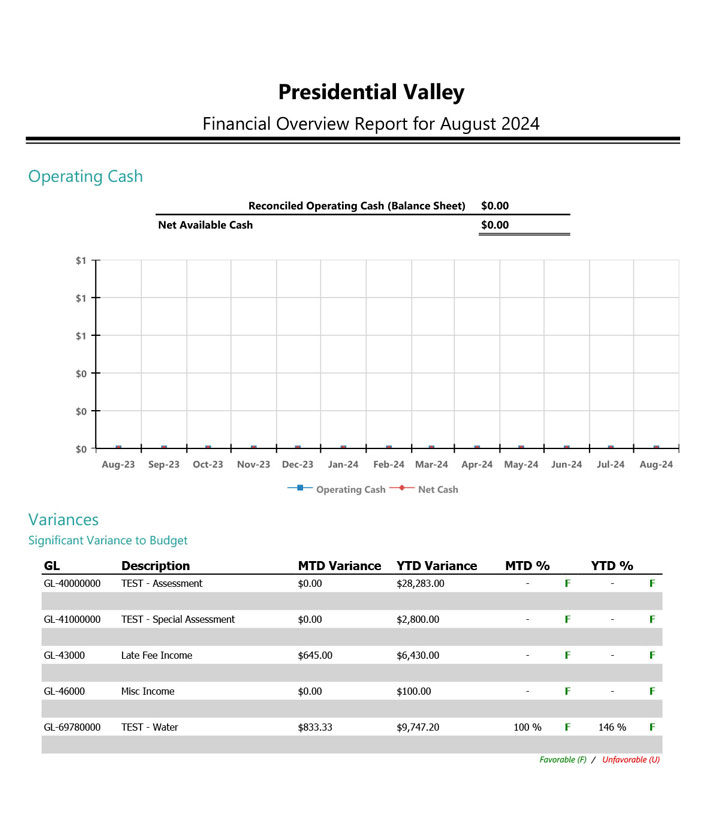
Statewide averages are completely fine until your roofing contractor hands you a bid. Then the difference between what your reserve study thought, and what work actually costs on the Eastside becomes a real board conversation. Our financial services start with quotes from vendors who operate in this market specifically. Monthly statements come in plain language and without any inflated prior-year figures. Collections follow Washington statute, and reserve calculations use local pricing so the numbers boards make decisions that have some connection to reality.
Team-Based Structure
Here’s the problem with one manager running everything for your community. They leave, or they’re sick for a week, and you find out quickly how much was living only in their head. Vendor relationships. Project status. The reason a certain homeowner’s situation was handled a particular way three years ago. Our team structure doesn’t work that way. Association Managers own the board relationship. Association Coordinators track vendors and keep projects moving. The Solution Team fields homeowner questions. It’s all in shared systems, so the answer to “who do we call” isn’t one name.
Traditional management assigns everything to one manager. When that person takes a vacation, gets sick, or quits, service drops immediately. Deadlines slip. Vendors don’t hear back. All that manager’s knowledge leaves with them.
Our team structure prevents these problems. Association Managers handle board relationships and complex problem-solving. Association Coordinators manage projects and vendors. The Solution Team handles daily homeowner questions. Everyone uses shared systems, so service continues when someone’s unavailable.
Lake Stevens communities see real benefits. Email about an urgent issue late afternoon, and you’ll get a response, even if your main contact left early. Projects keep moving along because multiple people know the status. When staff leave, institutional knowledge stays documented.
New board members can access organized records instead of reconstructing history from scattered emails. When questions arise about previous board decisions, documentation provides context.
Montana communities handle harsh winters and specific seasonal maintenance requirements. Properties in growing cities like Bozeman and Missoula need management that understands both the environmental challenges and the state’s regulatory framework for community associations.
Technology That Helps the Work
Optics 360 gives our team regular video of the property. Maintenance issues surface without a special site visit. Board members can pull that footage themselves from their portal if they want a look at something specific. The running record is also useful when a board is trying to establish whether a problem has been getting worse over time.
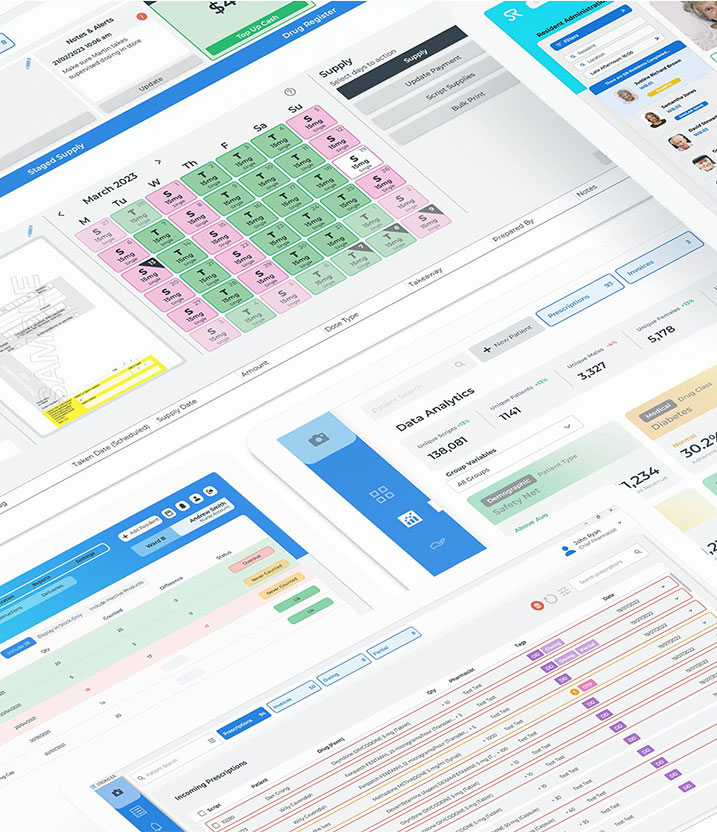
Records that live in one person’s email aren’t really records. When that person leaves, the history goes with them. Financial history, vendor contracts, meeting minutes, correspondence: all of it sits in a cloud-based system your board accesses through the portal. A new board member can look up why a vendor relationship ended three years ago without calling anyone. It’s just there.

Why Kirkland Communities Choose Nova
Vendor relationships, Washington regulatory knowledge, and familiarity with what Eastside projects actually cost. That’s where management companies either deliver or don’t. We participate actively in CAI (Community Associations Institute) and keep current on Washington law. Our customized management solutions are built around what your community specifically needs, not a generic service package.
Let's Talk About Your Kirkland Community
Contact us to connect with our team. Tell us about your association, and we’ll walk through what working together would look like.
FAQs
What does HOA management in Kirkland usually cover?
Three areas: admin, financial, and property. Admin covers vendor coordination, meeting management, governing document compliance, architectural review, and homeowner communication. Financial means budgets, monthly reporting, collections, accounts payable, reserves, and year-end tax and audit support. Property-side is vendor oversight, preventive maintenance, and compliance inspections. In Kirkland, all of it costs more than it would in most of Washington. Eastside labor, Washington sales tax, Pacific Northwest weather, working on buildings year-round, and two statutes, RCW 64.38 and RCW 64.34, that set the legal floor for how associations operate.
How does Nova stay current with Washington HOA law?
Active CAI membership and professional development that focuses on Washington specifically. When the statutes change, which they do regularly, we work out what it means for your documents and your situation rather than sending a generic update. Meeting procedures, collections, reserve disclosures, and financial reporting: all of it follows current requirements, not what was standard practice a few years ago.
What communities does Nova manage in Kirkland?
Single-family HOAs across Juanita, Rose Hill, and Bridle Trails. Condo associations near the waterfront and in the Totem Lake corridor. Townhome communities with shared exterior maintenance. Larger planned communities. Gated and lifestyle communities with pools and clubhouses. Developer services for associations are coming out of the transition period. Some boards want full management. Others handle most things internally and bring us in for specific functions. Our customized management solutions accommodate both.
How does Nova handle reserves and financials?
Eastside contractor bids and King County averages don’t usually land in the same place. That gap matters when a real capital project goes out for pricing and the reserve study suddenly looks like it came from a different market. Reserve funding here gets built on what work actually costs in this area, not figures pulled from a regional table. Budgets start with real vendor quotes. Monthly financial services reports are written so board members can read them, operations and reserves on separate lines, plain language, no accounting degree required. Collections run per Washington statute. Year-end books are ready before your CPA has to follow up.
How does transitioning to Nova work?
The prep work happens before the start date, not after. Governing documents, financial records, vendor contracts: we gather and review all of it while setting up the systems your community will run on. By the time we take over, we know where things are. Homeowners get communication from us before the transition happens, so the change isn’t a surprise. Your board gets a real conversation early on about what’s worked, what hasn’t, and what you actually want from a management company. At the 60-day mark, we sit down again and look honestly at whether the service is what your board expected.
Contact us if you want to talk through what this process would look like for your association.
Traditional management assigns everything to one manager. When that person takes a vacation, gets sick, or quits, service drops immediately. Deadlines slip. Vendors don’t hear back. All that manager’s knowledge leaves with them.
Our team structure prevents these problems. Association Managers handle board relationships and complex problem-solving. Association Coordinators manage projects and vendors. The Solution Team handles daily homeowner questions. Everyone uses shared systems, so service continues when someone’s unavailable.
Lake Stevens communities see real benefits. Email about an urgent issue late afternoon, and you’ll get a response, even if your main contact left early. Projects keep moving along because multiple people know the status. When staff leave, institutional knowledge stays documented.
New board members can access organized records instead of reconstructing history from scattered emails. When questions arise about previous board decisions, documentation provides context.
Montana communities handle harsh winters and specific seasonal maintenance requirements. Properties in growing cities like Bozeman and Missoula need management that understands both the environmental challenges and the state’s regulatory framework for community associations.

Ask Stella Anything
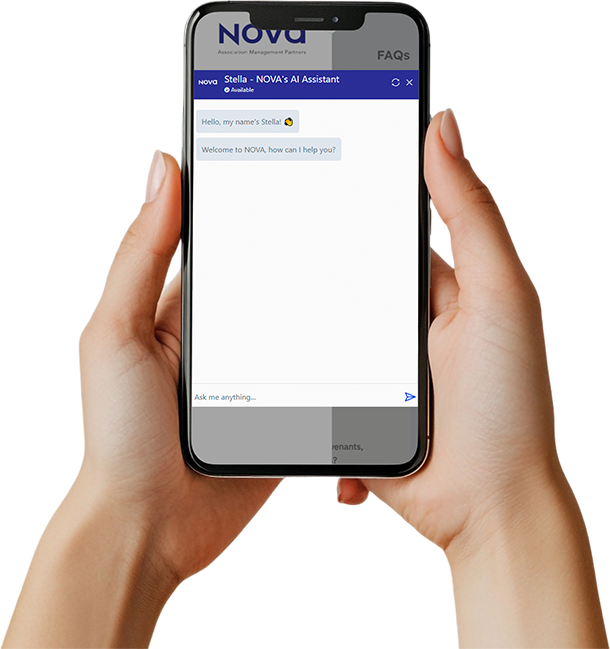
Our digital assistant is here for you day or night to answer questions and deploy solutions immediately.