PROFESSIONAL HOA MANAGEMENT
Professional HOA Management Services in Yakima, Washington
Yakima sits on the dry side of the state, and that alone puts it in a different category from most of the communities we manage on the west side. The valley’s known for orchards and vineyards more than anything else, and the housing stock reflects a slower, steadier kind of growth than the fast subdivision building you see closer to Seattle. Older neighborhoods near downtown and Union Gap have been around for generations. At the same time, newer development out toward West Valley and Terrace Heights has only picked up in the last several years. A board managing a community built decades ago has a different set of concerns than one running a newer HOA, and a management company needs to know which situation it’s stepping into.
Washington HOA and condo law applies here the same way it does anywhere in the state. RCW 64.38 governs standard homeowners associations, and RCW 64.34 covers condominiums. Both statutes get amended often enough that a board still working from guidance a previous management company gave years ago can drift out of compliance without realizing it. Renton’s position along the lake and the river brings its own maintenance considerations too. Properties closer to the water deal with a level of ground moisture and drainage pressure that a maintenance plan built for a drier part of the city simply won’t catch.
Community Types We Serve in Yakima
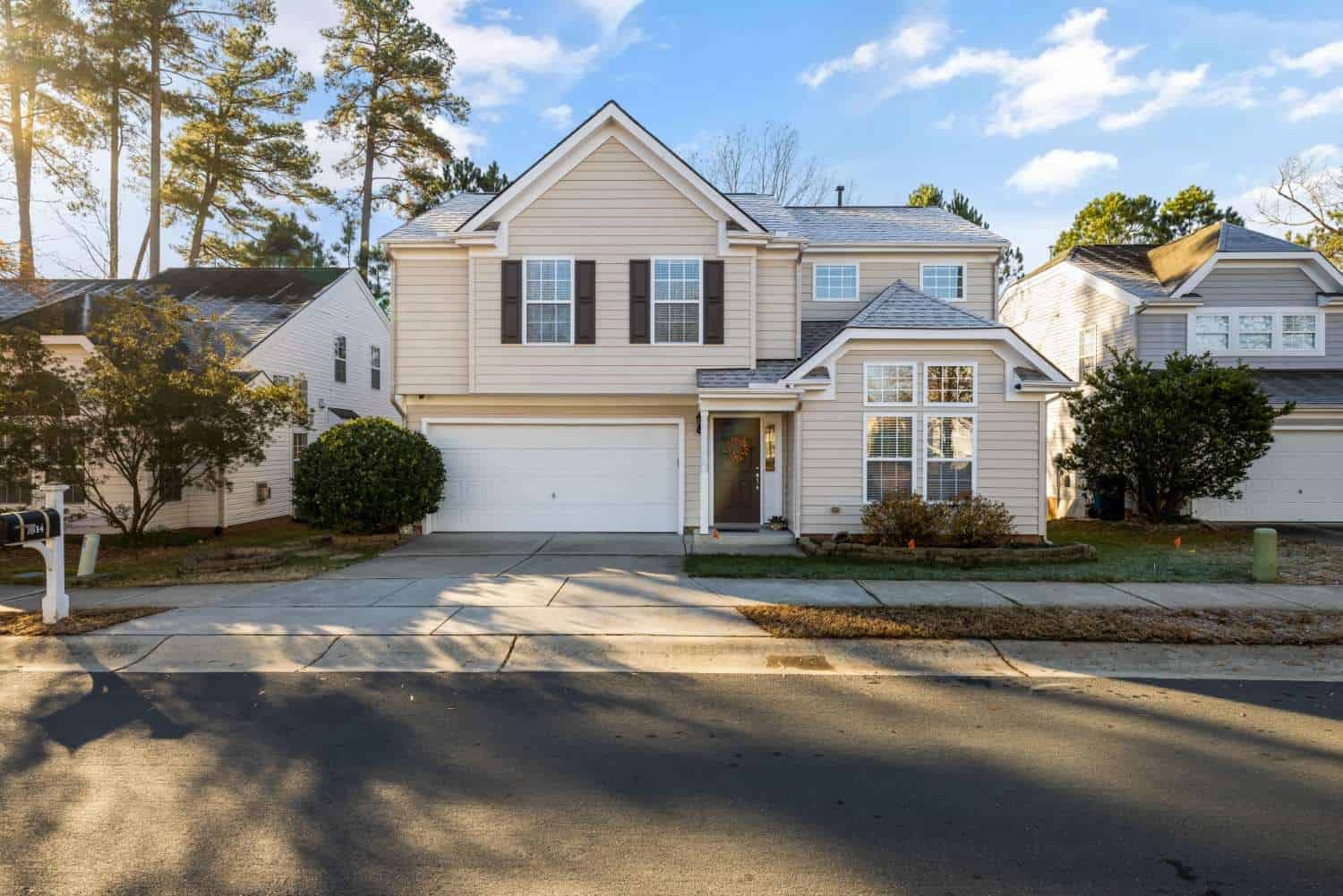
Single-Family HOA CommunitiesYakima’s single-family neighborhoods span from established communities near downtown and Union Gap to newer development climbing toward West Valley and Terrace Heights. Many of these HOAs went up in phases over many years so that infrastructure age can vary block by block even within the same community. We pay attention to that history instead of assuming an entire neighborhood was built at once.
Condominium AssociationsYakima’s condo inventory is smaller than what we see on the west side, but it still carries the same legal weight. Washington condo law under RCW 64.34 requires specific handling of reserve funding and financial disclosure that a standard HOA doesn’t need to worry about, and buildings here face their own wear pattern from the valley’s dry heat and sharp temperature swings between day and night. Our condominium management work accounts for both.
Townhome CommunitiesTownhome development has grown consistently in Yakima, particularly in the newer neighborhoods spreading west of downtown. Shared walls and shared roofs mean a maintenance problem in one unit rarely stays contained to that unit alone, and the disputes we see between neighbors usually start right where those shared systems overlap. Our townhome community management work is built to catch those issues early, before a board gets pulled into settling an argument between homeowners.
Master-Planned and Mixed-Use CommunitiesSome of the larger developments on Yakima’s outskirts, particularly around the newer growth corridors, come with more moving parts than a standard single-family HOA. Multiple property types often share the same roads, irrigation systems, and common areas, which means more vendors to manage and financial reporting that gets complicated in a hurry. These communities need a management team built to handle that added coordination without losing track of any single piece.
Developer ServicesYakima continues to see new residential development, and that means a steady number of communities working through the transition from developer control to homeowner governance. That handoff sets the tone for how a community operates for years to come. A community that starts with clean financial records and consistent enforcement of its governing documents is in a much stronger position years later than one that stumbled through a disorganized transition.




What Yakima HOA Boards Get From Nova
Yakima boards face the same core management challenges as boards everywhere, plus the specific cost realities of operating in this part of the state. Reserve planning needs to reflect actual Yakima Valley bid activity rather than a statewide number that doesn’t hold up here, and vendor relationships need to be with contractors who genuinely work in this region. Our services are built around that reality rather than a generic template.
Board Member Experience
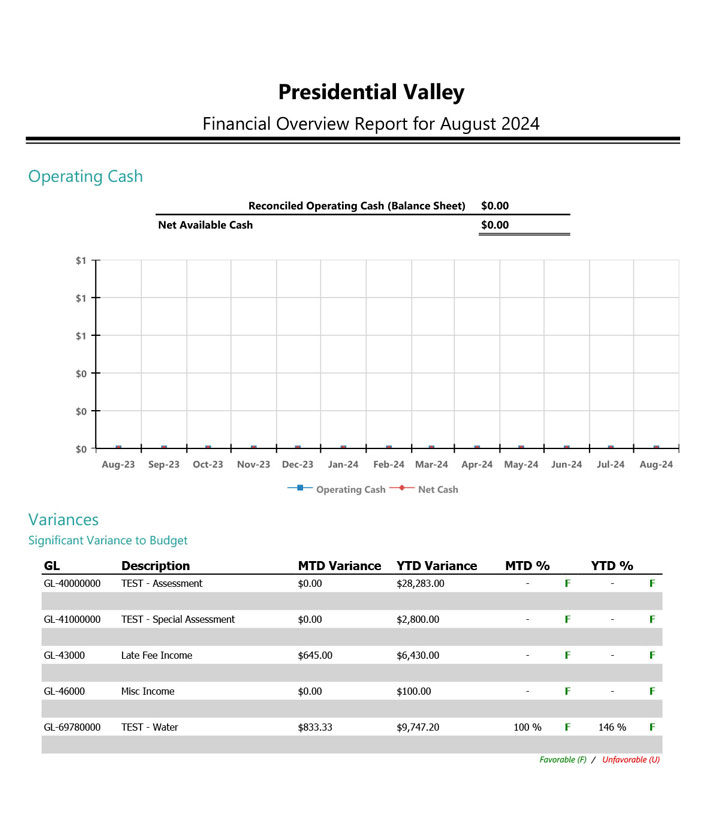
Plenty of Yakima board members are balancing this work with full-time jobs tied to agriculture, healthcare, or one of the valley’s other major industries, and a meeting that drags on because nobody prepared an agenda is a real drain on their time. Our Board Member Experience® is built around respecting that. Association Managers come to meetings prepared, agendas focus on what actually needs a decision, and financial statements are written so a board member can read them without translation. Operating and reserve funds are shown separately, with figures pulled from current vendor quotes rather than last year’s number with a percentage tacked on.
Homeowner Experience
Most homeowner questions in Yakima are simple. Someone wants to know why the irrigation schedule changed, or has a question about what the governing documents say about fencing. Our Homeowner Experience® routes that kind of thing through a Solution Team, so your Association Manager stays focused on the board relationship instead of fielding routine calls all week.
Financial Management
Building costs in Yakima don’t always move in step with the rest of the state, and boards relying on outdated or generic estimates often get an unpleasant surprise once bids actually come in. A roof or paving project budgeted off numbers from a couple of years back can land well above expectations once local contractors weigh in. Our team utilizes professional reserve studies and builds budgets from Yakima’s own bid history instead of a broader regional average, so that gap gets caught while planning rather than during a special assessment. Reporting goes out on a schedule the board can rely on, and collections follow Washington’s statutory requirements.
Team-Based Structure
A single manager handling every part of a community’s operations works fine until something interrupts it. A vacation, an illness, a resignation; any of those breaks the chain, and whatever that one person knew about your community rarely transfers cleanly to whoever takes over. We built our structure to avoid that problem entirely. An Association Manager owns the board relationship and handles the decisions that call for professional judgment, an Association Coordinator tracks vendor work and keeps projects moving, and a Solution Team handles the steady stream of homeowner questions that would otherwise crowd out everything else. Everyone works from the same systems, so nothing depends on a single person being available. More detail on how it fits together is on our team member experience page.
Traditional management assigns everything to one manager. When that person takes a vacation, gets sick, or quits, service drops immediately. Deadlines slip. Vendors don’t hear back. All that manager’s knowledge leaves with them.
Our team structure prevents these problems. Association Managers handle board relationships and complex problem-solving. Association Coordinators manage projects and vendors. The Solution Team handles daily homeowner questions. Everyone uses shared systems, so service continues when someone’s unavailable.
Lake Stevens communities see real benefits. Email about an urgent issue late afternoon, and you’ll get a response, even if your main contact left early. Projects keep moving along because multiple people know the status. When staff leave, institutional knowledge stays documented.
New board members can access organized records instead of reconstructing history from scattered emails. When questions arise about previous board decisions, documentation provides context.
Montana communities handle harsh winters and specific seasonal maintenance requirements. Properties in growing cities like Bozeman and Missoula need management that understands both the environmental challenges and the state’s regulatory framework for community associations.
Technology Supporting Service Delivery
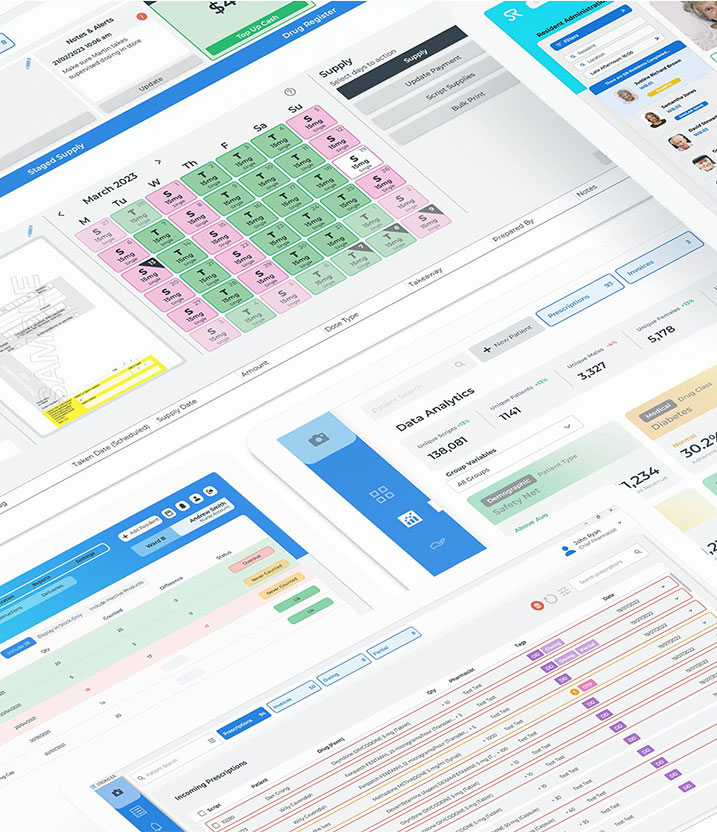
Optics 360 gives our Association Coordinators regular video documentation of the property, reviewed for maintenance issues and compliance concerns. For board members who don’t get out to walk the property often, it’s a practical way to stay informed without adding another task to a busy week, and the historical footage is useful when a board is weighing a capital project and wants to see how a condition has changed over time. That kind of record matters in Yakima given how fast sun exposure and repeated freeze-thaw cycles can wear down exterior surfaces compared to milder, wetter climates.
A new board member trying to piece together what happened with a vendor dispute two years ago doesn’t need to dig through somebody’s old inbox. Records, contracts, financial history, and meeting minutes are all sitting in the board portal already.

Why Yakima Communities Choose Nova
Boards in Yakima who’ve worked with larger management companies before tend to describe a familiar pattern. Local knowledge gets promised during the sales conversation and then never actually shows up once service starts. A recommended vendor turns out to be someone who hasn’t done work in the valley in years. A budget gets built off a number that has nothing to do with what things actually cost here. We’ve built our approach the other way around, with vendor relationships we’ve actually used in this region, active CAI participation to stay current on Washington regulatory changes, and customized management solutions shaped around what a specific community needs.
Let’s Discuss Your Yakima Community
If your Yakima association is looking for management that actually understands this market and backs it up with consistent systems, we’d like to hear from you. Contact us to connect with our team, and we’ll go through how our approach would work for your community.
FAQs
What does HOA management in Yakima typically include?
It comes down to the things a volunteer board is legally responsible for but doesn’t have the time to run day-to-day. That means coordinating vendors, managing meetings, keeping the community compliant with its own governing documents, and fielding homeowner questions. On the financial side, there’s the annual budget, assessment collection, accounts payable, reserve funds, and getting everything in order for tax season. Someone also has to actually walk the property, check on vendor work, and catch small problems before they turn into expensive ones.
How does Nova handle reserve planning and financials for Yakima communities?
A regional or statewide cost estimate often looks nothing like what an actual local bid comes back at once a project gets underway. A roof or paving project priced off a broader average can land well above what a board expected the moment Yakima-area contractors get involved. We build reserve studies and budgets from Yakima’s own bid history rather than a generic regional model, so that gap gets caught during planning instead of turning into a surprise mid-project.
What types of communities does Nova manage in Yakima?
Yakima’s housing covers a wide range, and so does the group of communities we manage there. We handle single-family HOA neighborhoods near downtown and Union Gap, condo associations scattered across the valley, and townhome communities in the newer developments west of downtown. We also manage larger master-planned and mixed-use communities where multiple property types share common infrastructure, along with developer services for new communities transitioning into homeowner governance. Our customized management solutions flex to whatever a given board actually needs.
What Washington laws apply to HOAs and condos in Yakima?
Standard homeowners associations fall under RCW 64.38, and condominium associations are governed by RCW 64.34. Both get amended periodically, and a board still working from guidance a previous management company gave years ago can drift out of step with current requirements without realizing it. Our team tracks these changes through active CAI participation and works through what any update actually means for a community’s specific documents, rather than handing out generic guidance that may not apply.
How does onboarding work for a new Yakima community?
Our transition process starts well before the official management start date. In the thirty days leading up to it, we review governing documents, financial records, and vendor contracts, set up systems, and prepare homeowner communication so residents know who’s managing their community going forward. We meet with the board early to align on priorities before management responsibilities officially begin. At the sixty-day mark, we run a formal check-in to see how things are tracking against what the board expected and adjust anything that needs it. Contact us to talk through what that timeline would look like for your community.
Traditional management assigns everything to one manager. When that person takes a vacation, gets sick, or quits, service drops immediately. Deadlines slip. Vendors don’t hear back. All that manager’s knowledge leaves with them.
Our team structure prevents these problems. Association Managers handle board relationships and complex problem-solving. Association Coordinators manage projects and vendors. The Solution Team handles daily homeowner questions. Everyone uses shared systems, so service continues when someone’s unavailable.
Lake Stevens communities see real benefits. Email about an urgent issue late afternoon, and you’ll get a response, even if your main contact left early. Projects keep moving along because multiple people know the status. When staff leave, institutional knowledge stays documented.
New board members can access organized records instead of reconstructing history from scattered emails. When questions arise about previous board decisions, documentation provides context.
Montana communities handle harsh winters and specific seasonal maintenance requirements. Properties in growing cities like Bozeman and Missoula need management that understands both the environmental challenges and the state’s regulatory framework for community associations.

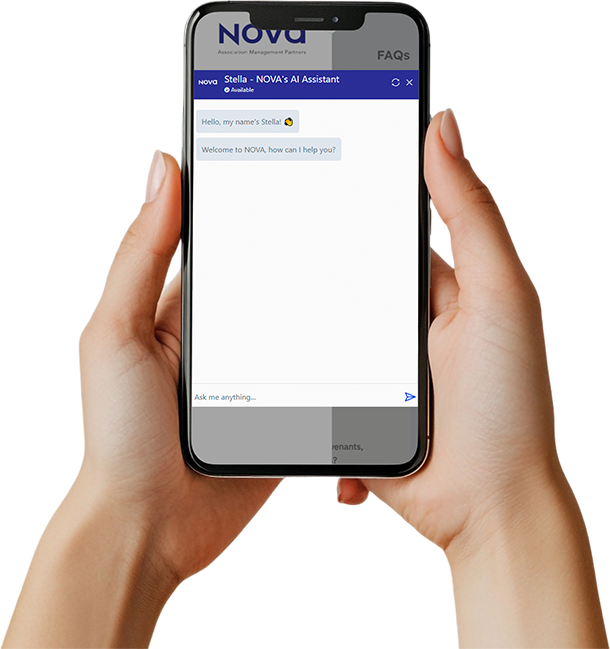
Ask Stella Anything
Our digital assistant is here for you day or night to answer questions and deploy solutions immediately.