Mixed-Use POAs MANAGEMENT
Mixed-Use Property Owners Association Management
Mixed-use developments combine residential and commercial properties within one community. Your property owners’ association manages residents living in the development and business tenants operating retail stores, restaurants, offices, or service businesses. What works for residential-only HOAs won’t work in mixed-use settings. Commercial tenants run on business schedules. Their needs differ from those of residents, and they expect different services. Parking accommodates residents coming home and customers visiting businesses. Common areas get used by everyone. Residents want quiet homes while commercial operations stay active.
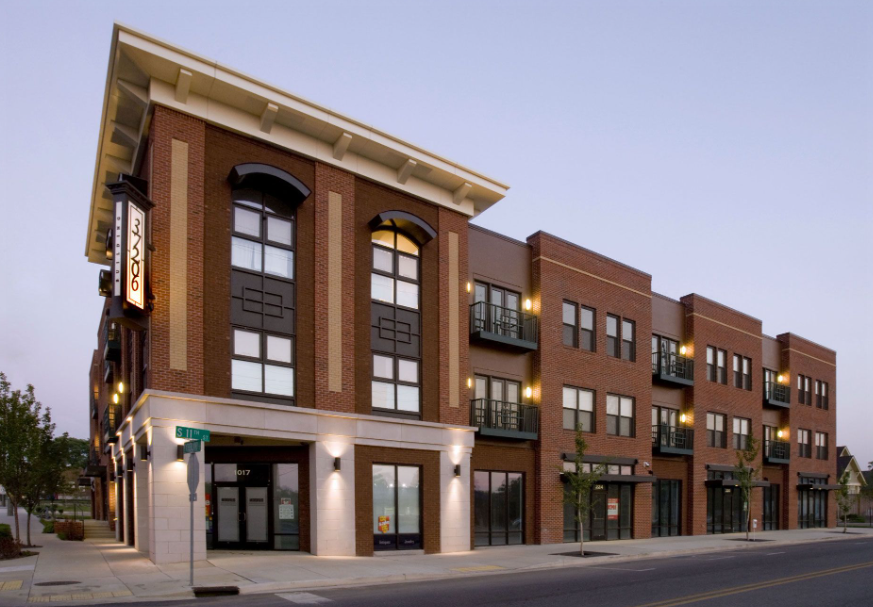
Managing mixed-use POAs takes expertise in both residential and commercial property management. Nova specializes in mixed-use property owners’ associations with services built around the Board Member Experience® and Homeowner Experience®. Your development might include ground-floor retail with residential units above, office parks next to residential neighborhoods, or entertainment districts integrated with living spaces. Our team-based approach handles the complexities these environments create.
We work with mixed-use developments where management success depends on balancing the needs of property owners, residents, and commercial tenants while preserving the integrated vision that makes mixed-use living appealing.
What Makes Mixed Use POA Management Different
Mixed-use communities present challenges that purely residential associations don’t face. You’re managing two different constituencies with conflicting needs and expectations within one POA structure.
Commercial tenants run businesses generating foot traffic. They need delivery access and operate during hours that extend well beyond typical residential activity. Restaurants produce noise and odors affecting nearby residential units. Retail stores need visible signage and customer parking. Office tenants need reliable access during business hours, including early mornings and evenings.
Residential owners expect quiet enjoyment of their homes, especially during evenings and weekends when commercial activity often peaks. Parking serves residents who need consistent access and customers visiting businesses. Common areas function as both residential gathering spaces and professional business environments.
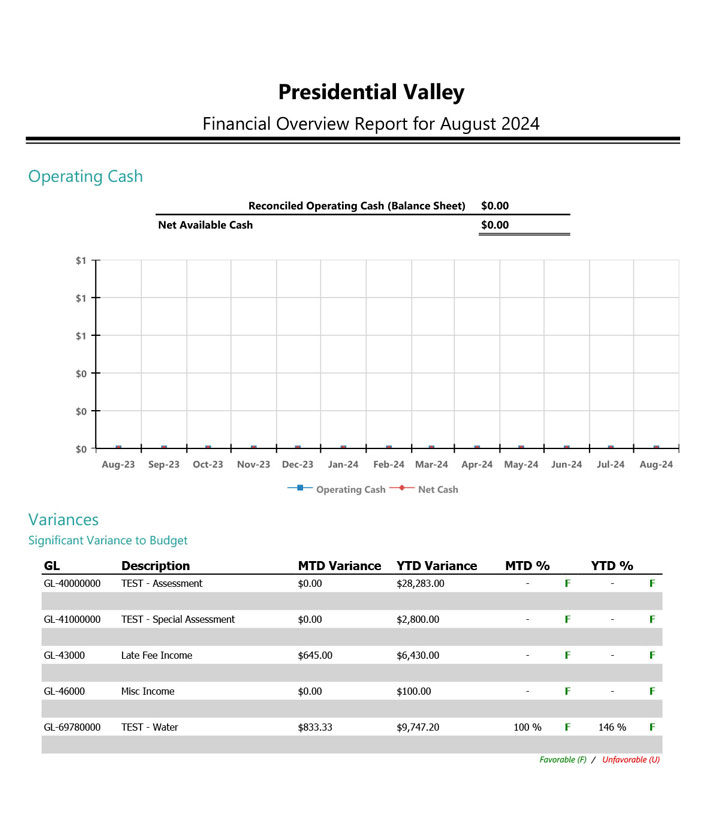
Assessment structures can get complicated in mixed-use POAs. Commercial properties typically pay different assessments than residential units. Variables such as common-area usage, square footage, and parking requirements all factor into commercial calculations. Your POA budget funds services for both residential and commercial properties and splits costs appropriately between them.
Governance means representing competing interests. Board decisions must balance residential tranquility against the operational flexibility businesses need. Covenant enforcement considers both residential standards and commercial operational realities.
Our approach stems from years of managing mixed-use POAs. We coordinate residential and commercial needs while maintaining operational standards that work for both groups.
The Board Member Experience® for Mixed Use POAs
Serving on a mixed-use POA board means navigating interests that often conflict. Our Board Member Experience® gives your board the guidance needed to govern these complex developments effectively.
Meeting Optimization™
We introduced Meeting Optimization™ for running efficient board meetings where decisions address competing priorities. Mixed-use POA boards handle residential concerns about commercial activity, commercial tenants’ requests for operational flexibility, parking allocation disputes, common-area maintenance serving different users, and covenant enforcement that varies across property types.
Your manager shows up prepared with organized agendas balancing residential and commercial issues, documentation addressing different stakeholder concerns, financial summaries reflecting complex mixed-use assessment structures, and professional recommendations drawn from managing comparable developments.
Board documentation matters in mixed-use POAs where decisions set precedent across residential and commercial situations. Historical records provide context for maintaining consistent governance.
Strategic Planning for Mixed Use Environments
Mixed-use POAs face capital planning challenges most associations don’t encounter. Infrastructure serves both residential and commercial uses. Parking facilities accommodate residents, employees, and customers. Common areas function as residential amenities and business environments. Reserve planning accounts for facilities experiencing different usage patterns and wear rates depending on residential versus commercial activity.
We bring mixed-use development experience to capital planning discussions. Your board makes decisions supported by reserve studies reflecting the mixed-use property’s demands, along with assessments that account for different usage patterns across residential and commercial spaces.
Vendor management becomes more complex in mixed-use POAs. Services must meet both residential and commercial standards. Landscaping maintains a professional appearance for businesses while providing residential amenities. Parking lot maintenance handles constant commercial traffic plus residential vehicles. Security addresses both residential safety and business protection.
Governance Balancing Competing Interests
Board service in mixed-use POAs means representing stakeholders with fundamentally different relationships to your community. Residents live there; commercial tenants operate businesses there. These different perspectives shape expectations for operations, common-area use, and acceptable activity levels.
We guide boards through these competing interests. Your board creates policies respecting residential quality of life while enabling reasonable commercial operations. Professional management guides boards in developing policies that serve both residential and commercial stakeholders.



The Property Owner Experience in Mixed Use POAs
Both residential owners and commercial tenants want management that meets their different needs. Our approach provides the responsive support that mixed-use developments require.
Communication Addressing Different Stakeholders
Mixed-use POAs need communication strategies that effectively reach residential and commercial audiences. Residents want information about commercial activities affecting their living environment. Commercial tenants need updates on community decisions that impact business operations. Scheduled maintenance, parking changes, or common-area projects affect different stakeholders differently, depending on whether they live in or operate businesses within your development.
Our solution team manages communications across your mixed-use community, getting information to appropriate audiences with relevant context for their relationship to your POA.
Responsive Support for Diverse Inquiries
Questions in mixed-use POAs come from residential owners with typical homeowner concerns and commercial tenants with business-operational questions. Parking inquiries involve either residential access or customer accommodation. Common area issues relate to residential amenity usage or commercial activity. Our team structure routes inquiries to team members who understand both the question context and your POA’s governance approach to mixed-use management.
Standards Across Residential and Commercial Properties
Mixed-use POAs maintain consistency while acknowledging that residential and commercial properties operate differently. Architectural guidelines work one way for residential units and another for commercial facades. Parking enforcement looks at residential overnight parking separately from commercial customer access. Noise standards account for residential quiet hours and reasonable commercial operations.
Our partnership with Optics 360 system provides systematic oversight across both residential and commercial sections. Vehicle-mounted and worn cameras capture conditions throughout your property, giving consistent attention to standards maintenance across different property types and uses.
Documentation provides objective records of conditions throughout your mixed-use community. Video coverage addresses questions about standards enforcement, parking utilization, and common area conditions affecting both residential and commercial stakeholders.
Technology for Mixed Use Communities
Mixed-use POAs need technology that accommodates the complexity of managing residential and commercial properties within a single association structure.
Optics 360 for Mixed Use Oversight
Mixed-use developments gain significant value from systematic video documentation that covers both residential and commercial areas. Optics 360 captures footage throughout your development, recording conditions, parking utilization, and common area usage across different property types.
The system includes Landscape 360 for monitoring common areas serving both residential and commercial purposes, and Capital 360 for tracking projects affecting mixed-use facilities. Video documentation helps mixed-use environments where questions arise about how different stakeholders utilize shared spaces and facilities.
Cloud-Based Documentation
Mixed-use POAs generate complex documentation reflecting your community’s dual nature. Governing documents address both residential and commercial properties. Assessment records show different structures for residential and commercial properties. Vendor contracts often include different service levels depending on whether they’re serving residential or commercial areas, and parking allocations and common-area usage policies vary by stakeholder group.
Comprehensive documentation gives board members and stakeholders access to the governance framework that addresses your mixed-use community’s unique operational requirements.

Building Successful Mixed Use Communities
Mixed-use POAs succeed by delivering value to both residential and commercial stakeholders. This involves maintaining residential quality of life while supporting viable commercial operations, establishing governance that respects diverse interests, and managing shared facilities and common areas serving different purposes for different users.
We work with boards to create mixed-use communities where residential and commercial elements complement rather than conflict with each other. Professional management maintains operational standards, serving all stakeholders and preserving the integrated vision that makes mixed-use developments attractive to residents and businesses.
Your board focuses on governance and on balancing diverse interests. Operations run smoothly across both residential and commercial sections. All stakeholders get appropriate support. Standards apply fairly across different property types. This is how mixed-use POAs thrive.
Managing a mixed-use POA? Contact Nova today to learn how our approach serves developments combining residential and commercial properties.

Ask Stella Anything
Our digital assistant is here for you day or night to answer questions and deploy solutions immediately.