PROFESSIONAL HOA MANAGEMENT
Professional HOA Management Services in Kent, Washington
Kent has grown fast over the last decade, and that growth hasn’t been uniform. Newer townhome and mixed-use development has filled in along the East Hill corridor.
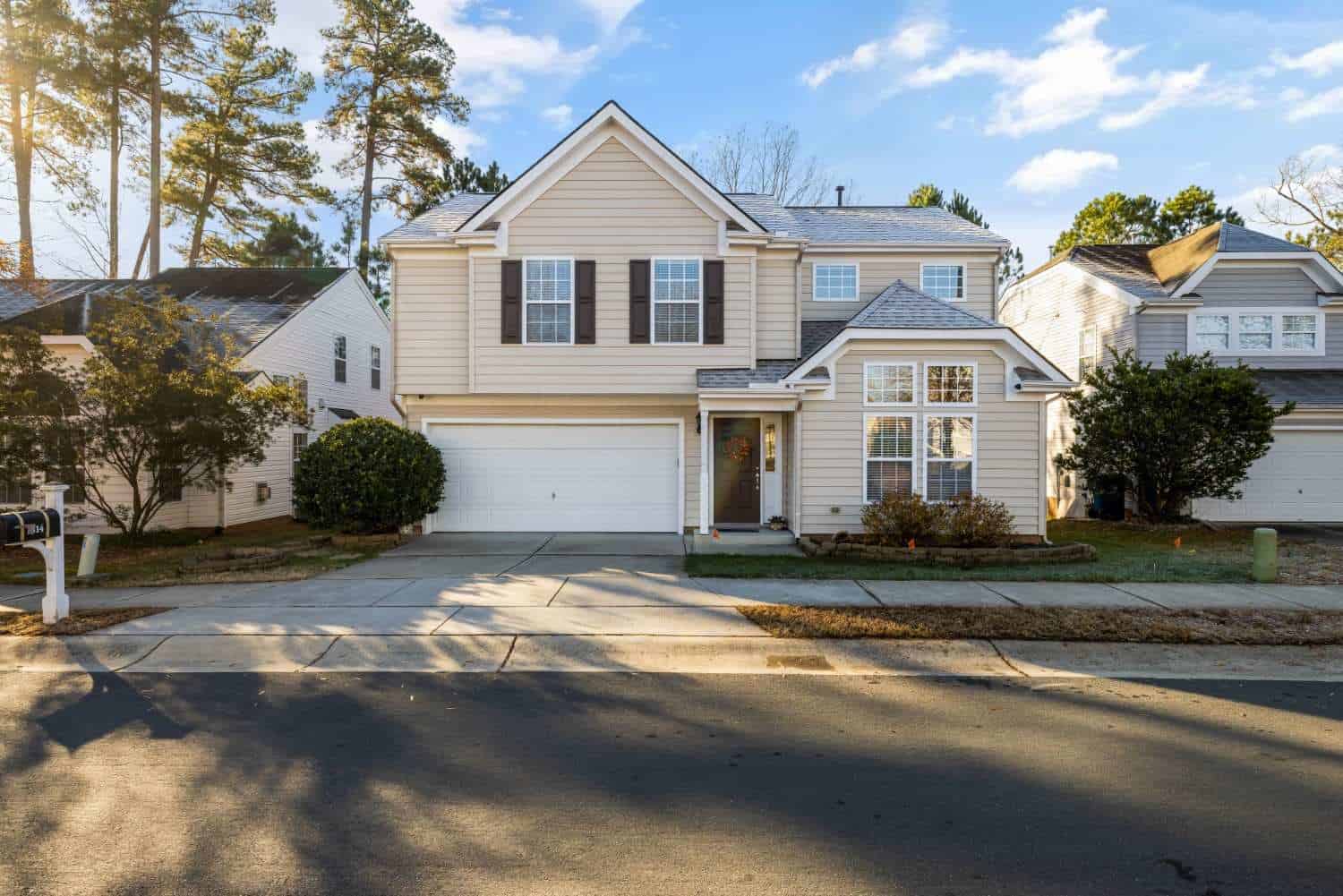
At the same time, older single-family neighborhoods down near the valley floor keep aging in place, which means a management company working here needs to be equally comfortable with a fifteen-year-old townhome board and a community that’s been running the same way since the nineties.
Kent isn’t Bellevue, and it isn’t Tacoma, and a service model built for either of those markets tends to miss the specifics that actually matter to a Kent board.
Washington HOA law applies here the same way it does anywhere in the state. RCW 64.38 governs standard homeowners associations, and RCW 64.34 covers condominiums; both statutes get amended frequently enough that boards working from guidance a previous management company gave them years ago can drift out of compliance without realizing it.
Kent’s spot in the valley adds its own maintenance considerations on top of that. The valley floor holds onto moisture longer than the surrounding hills do, and buildings here take on wear from that dampness in ways that boards used to less wet neighborhoods sometimes don’t catch until a roof or foundation problem has already gone further than it should have.
Community Types We Serve in Kent
Single-Family HOA CommunitiesKent’s single-family neighborhoods range from established developments near the valley floor to newer construction pushing up toward Panther Lake and Lake Meridian. Many of these communities were built out over ten or fifteen years in multiple phases, which means a board can be managing three different generations of roofing, paving, and utility infrastructure at once. Boards need a management partner who tracks which section of the community is on which maintenance cycle rather than budgeting as though the whole property was built the same year.
Condominium AssociationsKent has condo buildings scattered from the older stock closer to downtown to newer projects that went up as the city grew. Washington law puts specific requirements on these associations under RCW 64.34, things like reserve funding and financial disclosure that a standard HOA doesn’t deal with, and buildings sitting low in the valley tend to hold moisture in ways a maintenance plan written for a drier property just won’t catch. Our condominium management work starts from both of those realities, the legal side and the physical one.
Townhome CommunitiesEast Hill has picked up a lot of new townhome development over the past several years. Attached housing means a leak or a drainage problem rarely stays contained to one unit, and most of the neighbor disputes we see start right where a roofline or a fence line crosses a property boundary. Townhome community management at Nova means getting out ahead of those maintenance questions before a board ends up refereeing an argument between two homeowners.
Master-Planned and Mixed-Use CommunitiesLarger developments in and around Kent Station and the newer master-planned neighborhoods on the city’s edges tend to involve more property types sharing common infrastructure, more vendor relationships to coordinate, and financial reporting that gets more complicated than a typical single-family HOA requires. These communities need a management team equipped to handle that added coordination without letting any single piece slip.
Developer ServicesKent’s continued growth means a steady pipeline of new communities working through the handoff from developer control to homeowner governance. That transition sets the tone for a community’s operations for years afterward. Communities that start with organized financial records, consistent enforcement of governing documents, and established vendor relationships are in a fundamentally stronger position five years later than communities that went through an unstructured transition.




What Kent HOA Boards Get From Nova
Kent boards face the same core management challenges as boards anywhere, layered with the specific cost and scheduling realities of this market. Reserve planning needs to reflect actual South King County bid activity rather than a statewide average. Vendor relationships need to be with contractors who reliably service this part of the valley. Meeting schedules and communication need to account for a resident base that includes a meaningful number of shift workers. Our services are built around those specifics.
Board Member Experience
Many Kent board members are volunteering their time on top of demanding schedules in logistics, manufacturing, or the trades, and a meeting that runs long because nobody prepared an agenda is a real cost to their week. Our Board Member Experience® is built around respecting that time. Association Managers come to meetings prepared, agendas cover what actually needs a board decision, and financial statements are written so a board member can read them without a translator, with operating and reserve funds shown separately and figures pulled from current vendor quotes rather than last year’s number with a percentage added on.
Homeowner Experience
Routine homeowner questions, landscaping schedules, architectural review status, and account inquiries get handled by our Solution Team rather than sitting in a queue waiting on your Association Manager. Our Homeowner Experience® means residents get faster responses from people whose job is customer service, while your Association Manager stays focused on the board relationship and the work that actually requires that level of attention.
Financial Management
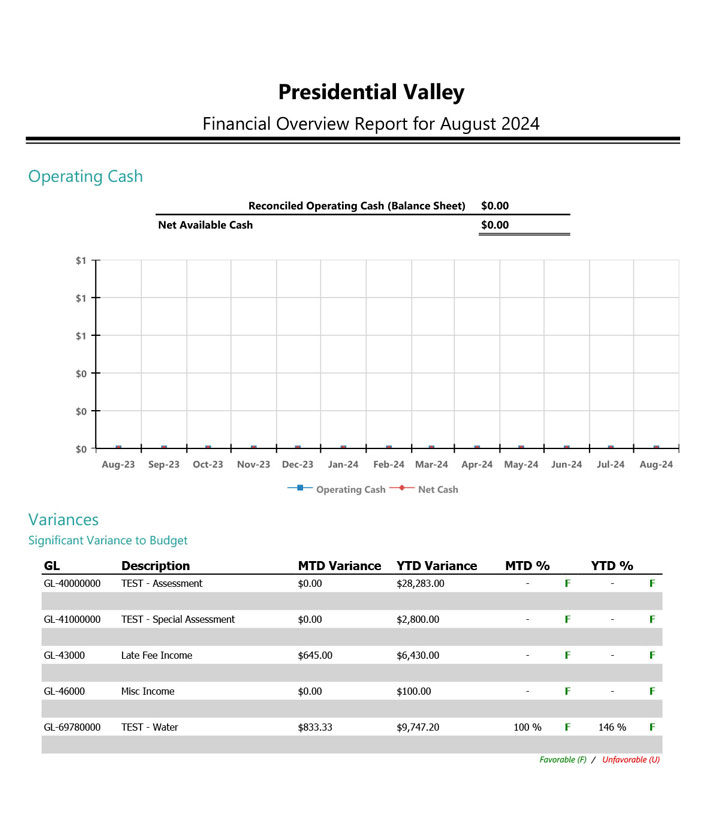
Kent’s construction and labor costs often run ahead of regional estimates. A board that budgets a roof or paving project using numbers from two years ago can end up looking at bids thirty percent higher than expected, because South King County labor and materials have moved faster than the state average. Our team utilizes reserve studies and budgets using actual Kent bid history instead of a regional number, so that gap gets caught during planning instead of turning into a surprise assessment later. Reporting goes out monthly, and collections and accounts payable run on a schedule the board can count on.
Team-Based Structure
Most management companies assign a single person to handle everything for a community, and that arrangement works fine until it doesn’t. A vacation, an illness, a resignation; any of them breaks the chain, and the institutional knowledge that one manager built up doesn’t transfer cleanly to whoever takes over. Our structure is built to avoid that. Association Managers own the board relationship and handle decisions that require professional judgment. Association Coordinators track vendor work and project progress. The Solution Team handles the steady flow of homeowner questions that would otherwise crowd out everything else. Everyone works from the same systems, so a Friday afternoon emergency gets addressed regardless of who’s out that day. More detail on how the pieces fit together is on our team member experience page.
Traditional management assigns everything to one manager. When that person takes a vacation, gets sick, or quits, service drops immediately. Deadlines slip. Vendors don’t hear back. All that manager’s knowledge leaves with them.
Our team structure prevents these problems. Association Managers handle board relationships and complex problem-solving. Association Coordinators manage projects and vendors. The Solution Team handles daily homeowner questions. Everyone uses shared systems, so service continues when someone’s unavailable.
Lake Stevens communities see real benefits. Email about an urgent issue late afternoon, and you’ll get a response, even if your main contact left early. Projects keep moving along because multiple people know the status. When staff leave, institutional knowledge stays documented.
New board members can access organized records instead of reconstructing history from scattered emails. When questions arise about previous board decisions, documentation provides context.
Montana communities handle harsh winters and specific seasonal maintenance requirements. Properties in growing cities like Bozeman and Missoula need management that understands both the environmental challenges and the state’s regulatory framework for community associations.
Technology Supporting Service Delivery
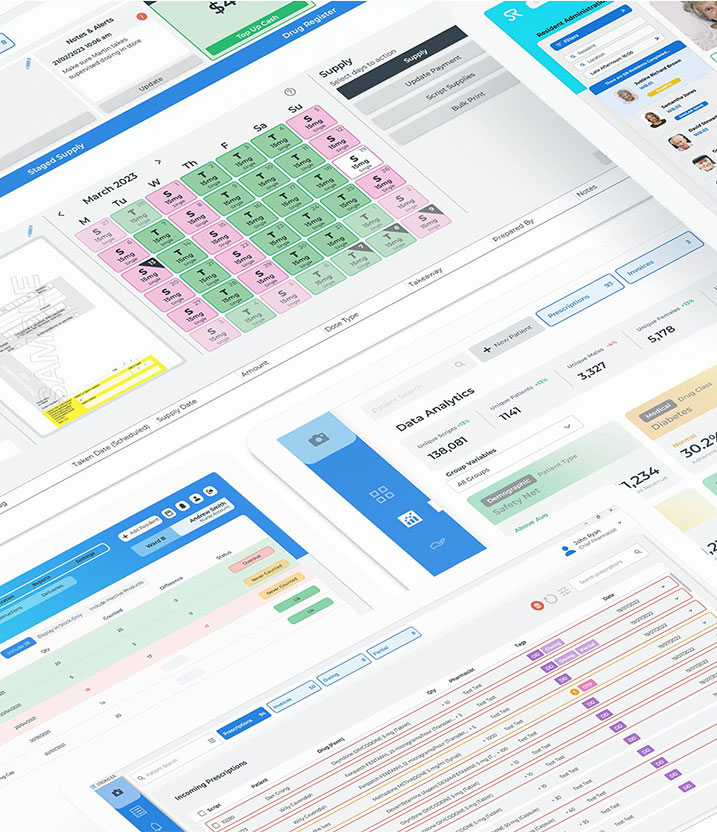
Optics 360 captures regular video documentation of the property that our Association Coordinators review for maintenance issues and compliance concerns. For board members who don’t get out to the property often, it’s a practical way to stay informed without adding another task to an already full week, and the historical footage is useful when a board is weighing a capital project and wants to see how a condition has actually changed over time. That kind of documentation matters more in Kent than in some of the markets we serve, given how much longer the valley floor holds moisture compared to the surrounding hills.
A new board member trying to piece together what happened with a vendor dispute three years ago doesn’t have to dig through somebody’s old email account. Records, contracts, financial history, meeting minutes; it’s all sitting in the board portal already.

Why Kent Communities Choose Nova
Kent boards who’ve worked with larger management companies before tend to describe the same pattern. Local knowledge gets talked up during the sales pitch, then it never actually shows up once service starts. A vendor gets recommended who hasn’t done a job in South King County in years. A budget gets built off a number that has nothing to do with what things actually cost here. We’ve tried to build the opposite of that, with vendor relationships we’ve actually used in this area, CAI participation that keeps us current on Washington regulatory changes, and customized management solutions built around what a specific community needs rather than a package built for somewhere else.
Let's Discuss Your Kent Community
If your Kent association is looking for management that combines specific knowledge of this market with consistent systems and responsive service, we’d like to hear about your community. Contact us to connect with our team, and we’ll walk through how our approach would work for your association.
FAQs
What does HOA management in Kent typically include?
Mostly it’s the stuff a volunteer board is legally on the hook for but doesn’t have the time to actually run. Coordinating vendors, managing meetings, keeping the community in line with its own governing documents, fielding homeowner questions. On the financial side, there’s the annual budget, assessment collection, accounts payable, reserve funds, and getting the books in shape for tax season. And, someone still has to walk the property, check on vendor work, and catch small maintenance issues before they become expensive ones.
How does Nova handle reserve planning and financials for Kent communities?
There’s often a real gap between what regional cost estimates suggest and what actual local bids come back at once a project starts moving. A roof or paving project priced off statewide averages can come in well above what a board expected the moment South King County contractors get involved. We build reserve studies and budgets from Kent’s own bid history rather than a generic regional model, so boards see that gap during planning instead of getting surprised by it mid-project.
What types of communities does Nova manage in Kent?
Kent’s housing stock is genuinely varied, and so is the range of communities we manage there. Single-family HOA neighborhoods near the valley floor and up toward Panther Lake. Condominium associations closer to downtown. Townhome communities along the East Hill corridor with active architectural review and shared maintenance questions. Larger master-planned and mixed-use developments with multiple property types sharing common infrastructure. And developer services for new communities transitioning into homeowner governance. Service arrangements vary as much as the community types do, and our customized management solutions are built around what each board actually needs.
What Washington laws apply to HOAs and condos in Kent?
Standard homeowners associations fall under RCW 64.38, while condominium associations are governed by RCW 64.34. Both statutes get amended periodically, and boards working from guidance a previous management company gave them years ago can end up out of step with current requirements without realizing it. Our team tracks these changes through active CAI participation. It works through what any update means for a community’s specific governing documents, rather than issuing generic guidance that may not apply.
How does onboarding work for a new Kent community?
Our team initiates the transition process well ahead of the formal management start date. Over the thirty days prior to the transition, we set up systems, prepare homeowner communications to inform residents about the upcoming management change, and review crucial records including vendor contracts, financial documents, and governing paperwork. We also meet early with the board to make sure that our goals and priorities are fully aligned before we officially take over management duties. Once we reach the sixty-day milestone, we perform a formal check-in to assess progress against the board’s initial expectations and implement any necessary adjustments. Contact us today to discuss how this specific timeline would take shape for your community.
Traditional management assigns everything to one manager. When that person takes a vacation, gets sick, or quits, service drops immediately. Deadlines slip. Vendors don’t hear back. All that manager’s knowledge leaves with them.
Our team structure prevents these problems. Association Managers handle board relationships and complex problem-solving. Association Coordinators manage projects and vendors. The Solution Team handles daily homeowner questions. Everyone uses shared systems, so service continues when someone’s unavailable.
Lake Stevens communities see real benefits. Email about an urgent issue late afternoon, and you’ll get a response, even if your main contact left early. Projects keep moving along because multiple people know the status. When staff leave, institutional knowledge stays documented.
New board members can access organized records instead of reconstructing history from scattered emails. When questions arise about previous board decisions, documentation provides context.
Montana communities handle harsh winters and specific seasonal maintenance requirements. Properties in growing cities like Bozeman and Missoula need management that understands both the environmental challenges and the state’s regulatory framework for community associations.

Ask Stella Anything
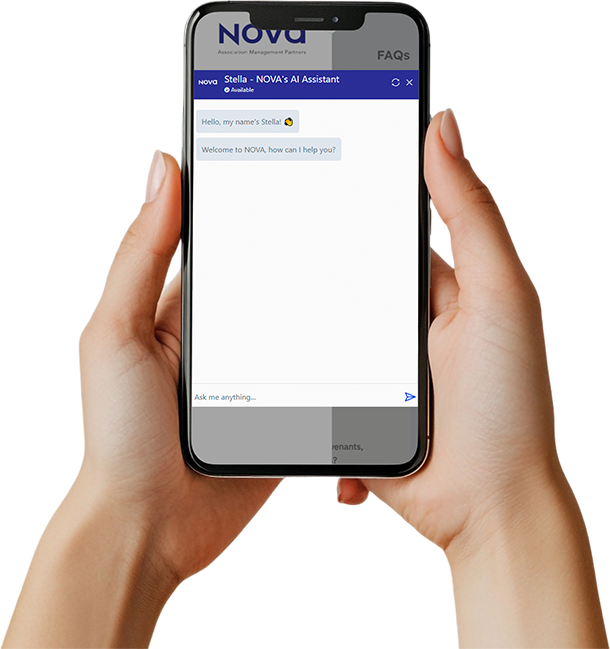
Our digital assistant is here for you day or night to answer questions and deploy solutions immediately.