PROFESSIONAL HOA MANAGEMENT
Professional HOA Management Services in Olympia, Washington
Olympia operates as its own market. State government anchors the local economy, with the Capitol Campus as the largest employer in Thurston County and Evergreen State College adding to the workforce mix.
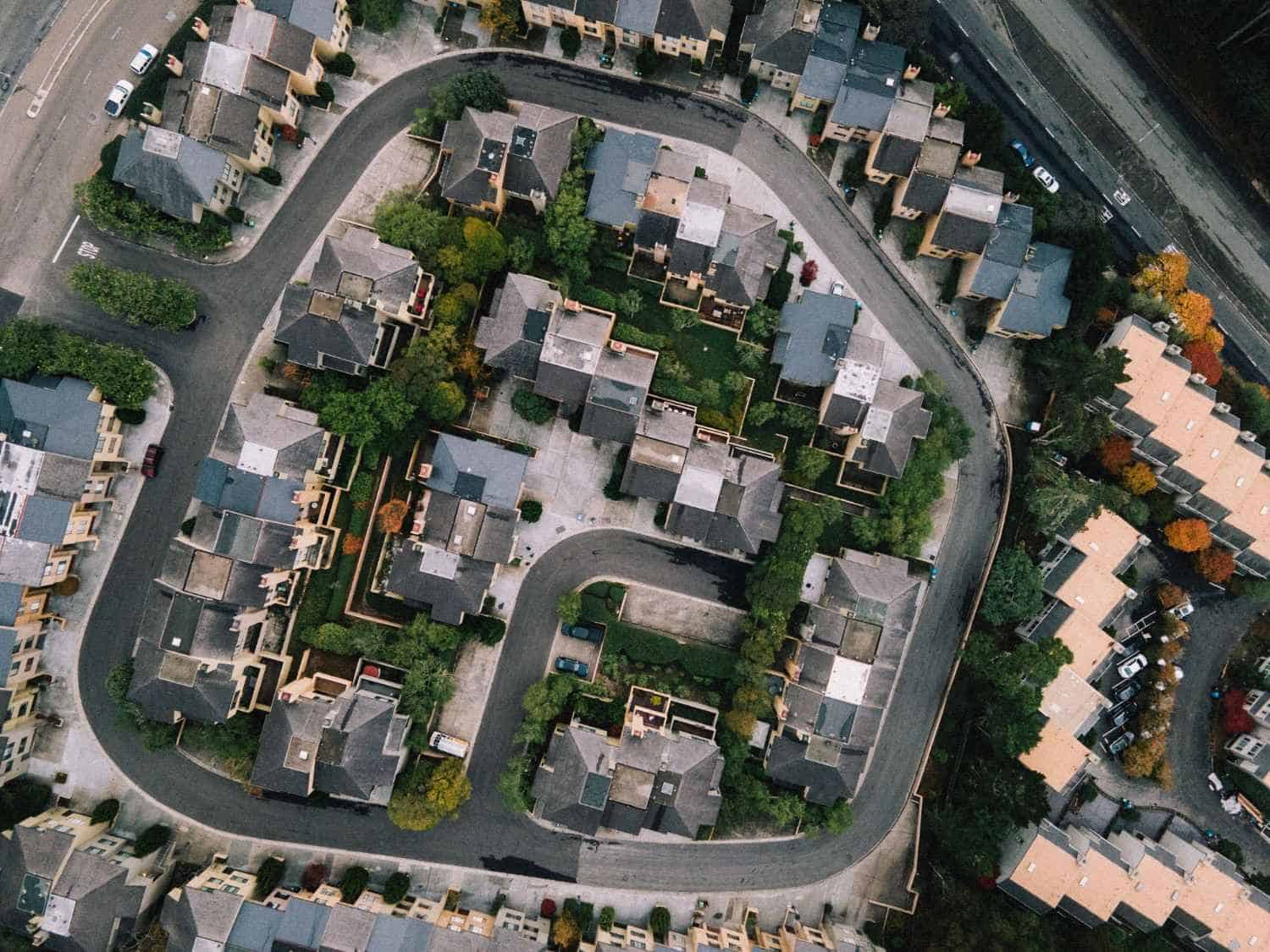
Housing prices reflect a market that’s grown steadily without the volatility of the Seattle metro. HOA boards here tend to be working with tighter budgets than their counterparts on the Eastside, and the infrastructure in many of the older communities is starting to show its age.
The housing mix reflects the city’s growth pattern. Established neighborhoods near the Capitol Campus sit alongside newer planned communities spreading through the Lacey and Tumwater corridors. Older condominiums downtown. Townhome associations that went up during the building activity of the 2000s are now looking at their first major capital projects. Single-family HOAs where the original developers are long gone, and the boards have been running things themselves for years, sometimes well, sometimes not.
Rain is a year-round factor here. Building exteriors take a beating that boards in drier markets don’t have to plan around. Roofs collect moss aggressively. Gutters and downspouts that aren’t maintained on a regular schedule create water intrusion problems that cost considerably more to fix than to prevent. Crawl spaces, siding, and fascia: all of it depends on the maintenance routine staying consistent.
RCW 64.38 covers HOAs. RCW 64.34 covers condos. The legislature touches both more often than most boards realize, and the updates don’t come with a notification to your inbox. Boards that haven’t had a management company paying attention to those changes sometimes find out there’s a problem only after one surfaces.
Community Types We Serve in Olympia
#00A63FSingle-Family HOAs. Olympia’s established neighborhoods, particularly around the west side and the areas south of downtown, carry steady covenant enforcement activity. Homeowners in these communities pay attention to standards. Boards need a management company that processes architectural applications consistently and doesn’t let enforcement pile up.
Condominiums. Downtown Olympia has older condo buildings, some of which haven’t had the easiest relationship with their reserves. Roofs, elevators, common area systems: the bills eventually arrive. RCW 64.34 sets stricter requirements for these associations than standard HOA law, particularly around reserve disclosures and financial reporting. Our condominium management is built around those statutory demands.
Townhomes. The Lacey and Tumwater corridors added a lot of townhome inventory during the mid-2000s building run. Many of those communities are now hitting the point where roofs, siding, and paving need serious attention. Boards that put off reserve planning are finding out what that costs. Our townhome community management works for communities in that position and those that haven’t gotten there yet.
Large-Scale and Master-Planned. Bigger communities coming out of the Lacey growth corridor bring more of everything. More vendors to coordinate. More residents with more questions. Common areas and amenity infrastructure that need their own maintenance schedules. The financial side takes longer to report accurately. These aren’t communities that run well when one person is supposed to be on top of all of it.
Developer Services. New development keeps moving through the Thurston County corridor. Each new community eventually transitions from developer control to a homeowner board. That handoff either sets the community up well or creates problems the board spends years untangling.
Gated and Lifestyle Communities. Olympia has its share of higher-end communities with gates, pools, and amenity buildings. Residents in these communities have expectations about maintenance quality. Meeting those expectations without letting operating costs run away requires knowing which vendors actually deliver.
Senior 55+. Steady communication, maintenance handled without drama, no surprises. That’s what these boards and their residents want. It’s not complicated, but it has to be consistent.




What Olympia Boards Get From Nova
HOA management is the same work in every city. What changes are what things cost, which laws apply, and what the community expects. Olympia has its own answers to all three.
Board Member Experience
Olympia board members tend to have full professional lives and limited patience for meetings that run long because nobody prepared. They took on the volunteer role because they care about where they live, not because they had extra time.
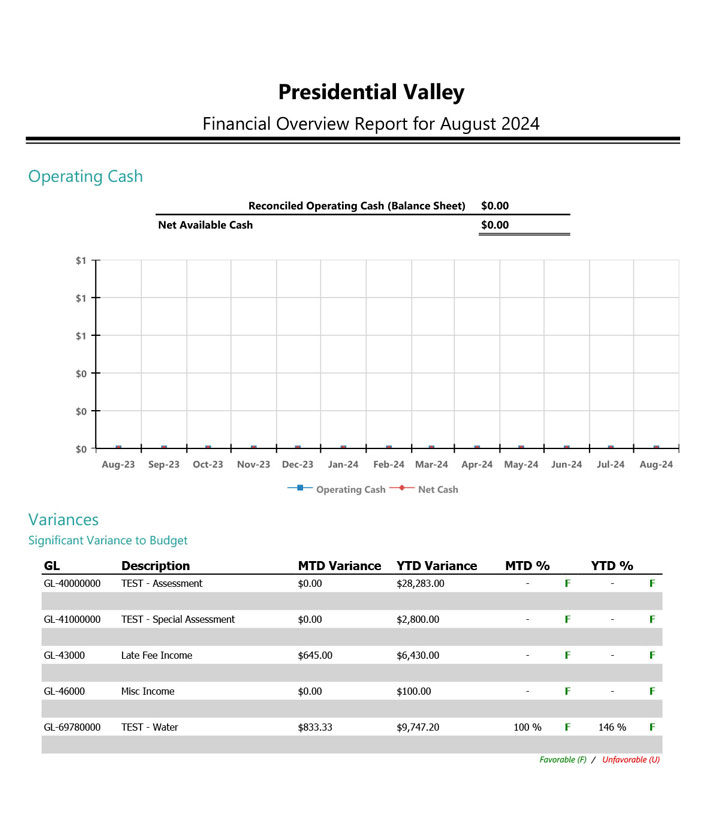
Through our Board Member Experience®, readiness is a standard, not an exception. Managers review all association materials well before the meeting begins. We create agendas around decisions that require board action. Our financial reporting presents a clear view of the association’s health, separating operations and reserves while factoring in every budget figure in current quotes from local Thurston County vendors rather than generic estimates.
Homeowner Experience
Your Association Manager shouldn’t be the one explaining guest parking. That’s not the best use of their time, and it’s not great for the homeowner either. Pool hours, ARC status, and account questions: those go to the Solution Team. Our Homeowner Experience® is set up so routine questions get answered fast by people whose day is built around answering them. Your Association Manager stays on the work that actually needs their background. Anything the Solution Team can’t close out moves to the Association Coordinator.
Financial Management
Vendor availability in Thurston County can be entirely different than what boards experience in larger markets. Fewer qualified contractors. Longer lead times. Pricing that reflects how busy the local pool is. Insurance premiums have climbed year over year and shown no sign of reversing. Washington sales tax adds up across twelve months of vendor invoices and material orders in ways that catch boards off guard if they haven’t budgeted for it.
Our financial services use current quotes from contractors who actually bid jobs in this area. Monthly statements explain where the money was allocated in language a board member can read without help. Collections run per Washington statute. Reserve studies are priced on what Thurston County’s work actually costs.
Team-Based Structure
When a management company runs on one person, you don’t usually notice until that person is gone. Then the vendor who was supposed to call back doesn’t. The project that was moving stops. The new manager has no idea why the last board made the decisions it did because none of it got written down anywhere findable.
Our team structure works differently. Association Managers carry the board relationship. Association Coordinators track vendors and projects. The Solution Team fields homeowner questions. It’s all in the same systems, accessible to everyone on the team, so an absence doesn’t create a gap that homeowners and board members end up feeling.
Traditional management assigns everything to one manager. When that person takes a vacation, gets sick, or quits, service drops immediately. Deadlines slip. Vendors don’t hear back. All that manager’s knowledge leaves with them.
Our team structure prevents these problems. Association Managers handle board relationships and complex problem-solving. Association Coordinators manage projects and vendors. The Solution Team handles daily homeowner questions. Everyone uses shared systems, so service continues when someone’s unavailable.
Lake Stevens communities see real benefits. Email about an urgent issue late afternoon, and you’ll get a response, even if your main contact left early. Projects keep moving along because multiple people know the status. When staff leave, institutional knowledge stays documented.
New board members can access organized records instead of reconstructing history from scattered emails. When questions arise about previous board decisions, documentation provides context.
Montana communities handle harsh winters and specific seasonal maintenance requirements. Properties in growing cities like Bozeman and Missoula need management that understands both the environmental challenges and the state’s regulatory framework for community associations.
Technology That Helps the Work
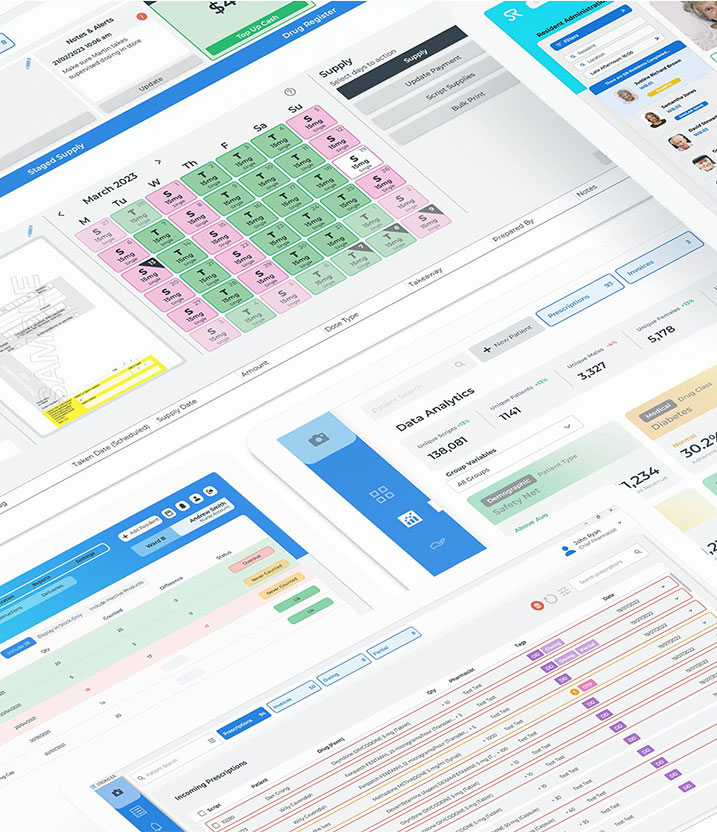
Optics 360 gives our team regular property videos to work from. Maintenance issues get caught without scheduling a dedicated site visit. Board members can pull that footage from their portal when they want to check on something. The running record is useful when a board is trying to determine whether a problem is getting worse or just looks bad after a heavy rain.
Financial records, vendor contracts, meeting minutes, correspondence: all of it lives in a cloud-based system your board accesses through the portal. A new board member can look up the history on a vendor decision or a past assessment without calling anyone. It’s there. Nothing walks out the door when a staff member moves on.

Why Olympia Communities Choose Nova
Local vendor knowledge, familiarity with Thurston County’s market conditions, and active engagement with Washington law through CAI (Community Associations Institute) involvement. That’s what boards here need from a management company. Our customized management solutions are built around what your specific community requires, not a package designed for somewhere else.
Let's Talk About Your Olympia Community
Contact us to connect with our team. Tell us about your association, and we’ll walk through what working together would look like.
FAQs
What does HOA management in Olympia usually cover?
The HOA Management work here includes three different areas. Administrative covers vendor coordination, meeting management, document compliance, architectural review, and homeowner communication. Financial includes budget preparation, monthly reporting, collections, accounts payable, reserve management, year-end tax prep, and audit support. Property work includes vendor oversight, preventive maintenance scheduling, and compliance inspections.
How does Nova stay current with Washington HOA law?
Active CAI membership and professional development focused on Washington specifically. The statutes get amended on a regular basis, and when changes happen, we work through what they mean for your governing documents and your particular situation. Meeting procedures, collections, reserve disclosures, and financial reporting: every piece of it tracks current RCW requirements rather than practices that might have been accurate three or four years ago.
What communities does Nova manage in Olympia?
Single-family HOAs across west Olympia and established neighborhoods near the Capitol Campus. Condo associations downtown and in the surrounding areas. Townhome communities through the Lacey and Tumwater corridors. Larger planned communities. Gated and lifestyle communities with pools and amenity buildings. Developer services for communities transitioning to homeowner boards. Some boards want full management. Others bring us in for specific functions. Our customized management solutions work either way.
How does Nova handle reserves and financials?
A reserve study built on statewide figures and a real bid from a Thurston County contractor don’t usually agree. The gap tends to surface when a capital project actually goes out for pricing, and at that point, the board is stuck having a conversation that should have happened during budget planning. Reserves are calculated based directly on local market costs in Olympia. Rather than relying on outdated estimates, budget figures are derived from current vendor quotes.
How does transitioning to Nova work?
The prep work happens before the start date. Governing documents, financial records, vendor contracts: gathered and reviewed while systems are being set up. By the time we take over, we know where things are. Homeowners hear from us before the transition, so the change isn’t a surprise. Your board gets a real conversation early on about what’s worked, what hasn’t, and what you want from a management company. At 60 days, we sit down again and look honestly at whether the service is landing where your board expected.
Contact us to talk through what this would look like for your association.
Traditional management assigns everything to one manager. When that person takes a vacation, gets sick, or quits, service drops immediately. Deadlines slip. Vendors don’t hear back. All that manager’s knowledge leaves with them.
Our team structure prevents these problems. Association Managers handle board relationships and complex problem-solving. Association Coordinators manage projects and vendors. The Solution Team handles daily homeowner questions. Everyone uses shared systems, so service continues when someone’s unavailable.
Lake Stevens communities see real benefits. Email about an urgent issue late afternoon, and you’ll get a response, even if your main contact left early. Projects keep moving along because multiple people know the status. When staff leave, institutional knowledge stays documented.
New board members can access organized records instead of reconstructing history from scattered emails. When questions arise about previous board decisions, documentation provides context.
Montana communities handle harsh winters and specific seasonal maintenance requirements. Properties in growing cities like Bozeman and Missoula need management that understands both the environmental challenges and the state’s regulatory framework for community associations.

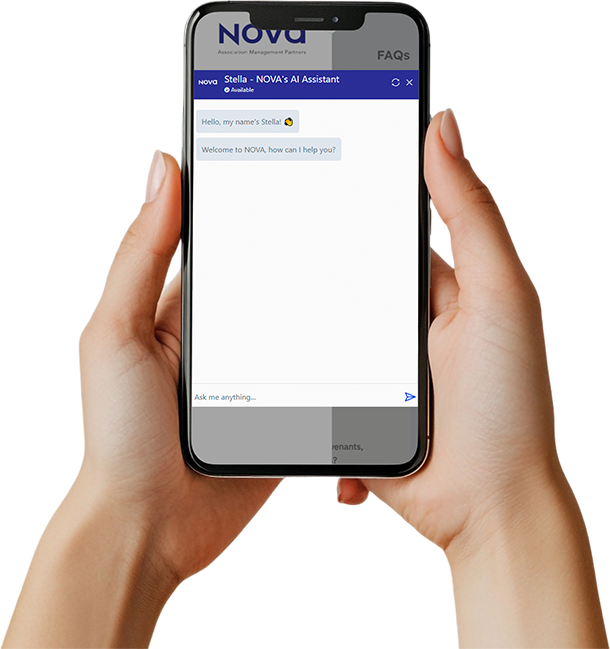
Ask Stella Anything
Our digital assistant is here for you day or night to answer questions and deploy solutions immediately.