PROFESSIONAL HOA MANAGEMENT
Professional HOA Management Services in Wilsonville, Oregon
The economy in Wilsonville looks different than what’s happening in most Oregon cities of its size, and that determines how HOA management actually works here.
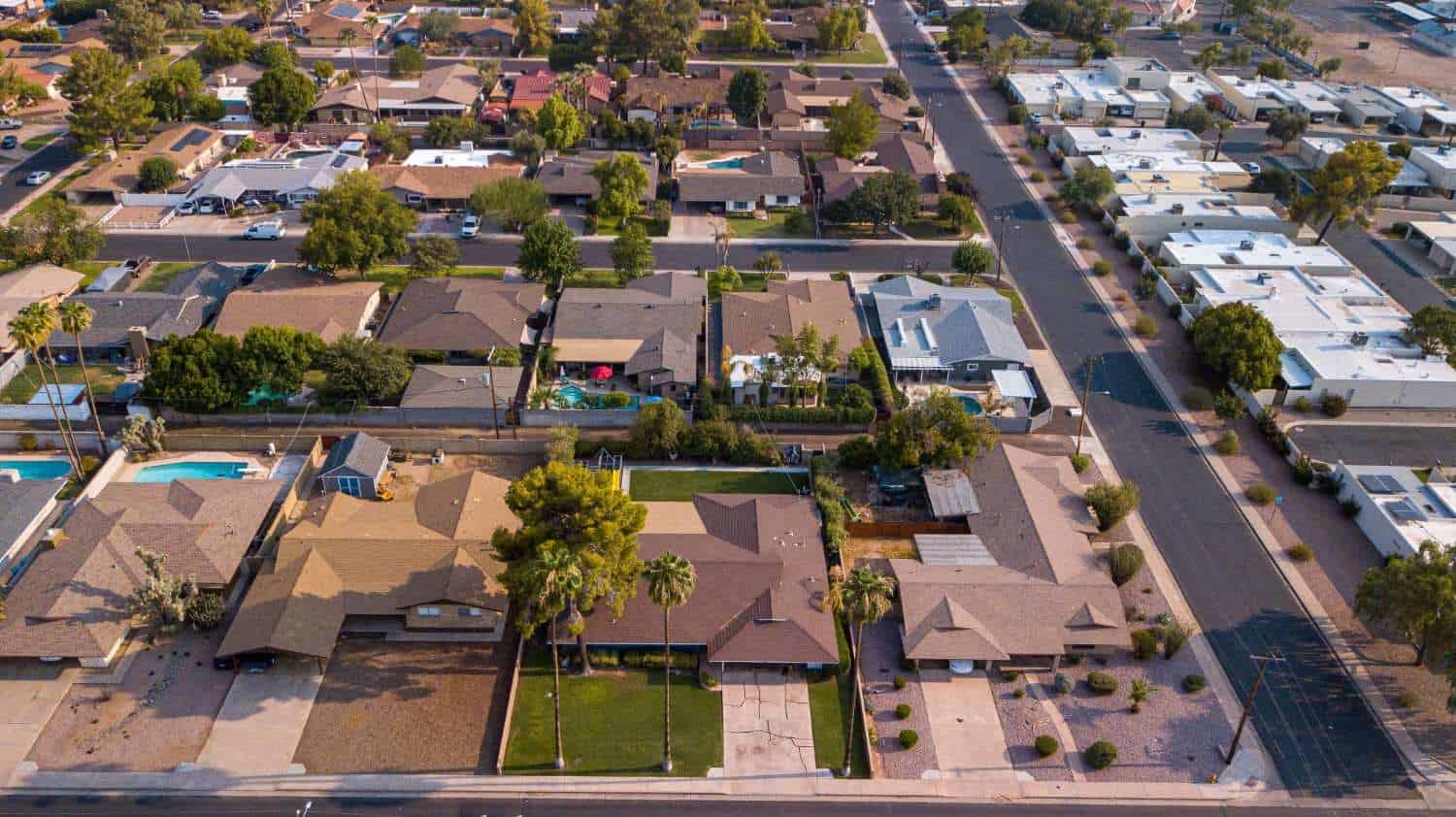
Wilsonville sits at the southern edge of the Portland metro along the I-5 corridor, and its employment base shows a concentration of corporate operations that doesn’t exist in many comparable communities. Siemens EDA, Xerox, Sysco, and Mentor Graphics all run significant facilities here, which means a substantial portion of local board members are professionals with demanding day jobs. Property values track the metro market rather than the larger Oregon average, and HOA budgets here reflect a community where residents expect work to get done at a particular standard.
The housing inventory shows the city’s growth across multiple eras. Charbonneau, the planned community on the south side of the Willamette River, has been operating for decades and remains one of the larger HOA-governed communities in Oregon. Villebois, on the west side of town, introduced a different style of development with its mixed-use planning and more recent construction. Older neighborhoods east of I-5 toward the Willamette River include established single-family inventory with more traditional HOA structures. Newer townhome and condo construction has filled in through the central commercial corridors, and many of those associations are now several years into their first capital project cycle.
Boards in Wilsonville don’t always factor in how much damage Pacific Northwest weather does to buildings over time. Months of steady winter rain wear away at roofs, siding, and exterior finishes without taking much of a break. Shaded sections of properties grow moss quickly. In the older parts of town, drainage problems creep in slowly because the infrastructure was put in when rainfall patterns looked different from what they do today. The communities that end up ahead are the ones running tight maintenance cycles with contractors who actually understand how local weather affects building materials.
Oregon’s community association law lives in two separate statutes that boards and managers need to know well. ORS Chapter 94 governs planned communities, while ORS Chapter 100 covers condominiums, and the differences between them are significant. Both get amended regularly, and a board working from an older management company’s interpretations, or from a company that never tracked Oregon law carefully, can drift into compliance issues without realizing it until something forces the question.
Community Types We Serve in Wilsonville
Single-Family HOAs. Single-family HOA activity in Wilsonville runs steady, especially through the established neighborhoods east of I-5, where exterior projects draw real attention from neighbors who care about how the street looks. We process applications the same way every time, and that consistency keeps small frustrations from working their way up into bigger board disputes.
Condominiums. Wilsonville’s condo inventory includes both older buildings and newer mixed-use developments through the commercial corridors. The older buildings have reached the part of their lifecycle where major systems need attention, and reserves built on assumptions from years back aren’t keeping up with current metro-area costs. Since ORS Chapter 100 holds these associations to stricter standards than the planned community statute does, especially around reserve disclosures and financial reporting, our condominium management is built around those specific obligations.
Townhomes. The townhome construction that came through Wilsonville during the Villebois buildout and earlier development cycles produced a number of associations now working through significant capital projects, where roofs, siding, paint, and shared exterior systems all tend to come due at the same time. Reserves built on optimistic numbers aren’t holding up against current bids, which is where our townhome community management tends to get put to use.
Large-Scale and Master-Planned. Charbonneau and Villebois are both larger planned communities with their own governance structures and amenity infrastructure that have been running for years. These communities aren’t anything like a basic neighborhood HOA. The vendor list is longer, the financials are more complex, and the amenity infrastructure runs on its own schedule. Board communication has to be deliberate, or things slip, and one person trying to manage all of it ends up overextended.
Developer Services. Residential development hasn’t slowed across the Wilsonville area, and every new community reaches the same milestone eventually, when the developer steps back and a homeowner-led board takes over. How that handoff is managed matters more than people outside the industry tend to appreciate. A board that comes into clean books, vendors who already know the property, and a reserve fund that reflects real costs is set up to succeed. A board that comes into the opposite spends the next several years sorting through what should have been organized at the start.
Gated and Lifestyle Communities. Wilsonville has a number of higher-end communities, particularly in and around Charbonneau, where residents have specific ideas about how things should function. The trick to keeping these communities running well isn’t really about working harder. It comes down to vendor selection. Some contractors do dependable work year after year, and others will tell you whatever they need to in order to win the job. Knowing the difference is what keeps operating costs under control without service quality slipping.
Senior 55+. The senior community boards in Wilsonville generally want the same things from a management company. Honest communication, maintenance that gets ahead of complaints instead of waiting for them, and somebody who doesn’t make routine work into a bigger project than it needs to be. The work isn’t complicated. It just has to actually happen, consistently.




What Wilsonville Boards Get From Nova
What HOA management actually involves doesn’t shift much depending on the city. The variables that change are cost, statute, and resident expectations, and Wilsonville has its own version of each.
Board Member Experience
A lot of Wilsonville board members work in the corporate operations spread along the I-5 corridor, whether that’s engineering at Siemens EDA, distribution at Sysco, or roles at one of the other major employers in town. Their schedules are full, and they took the volunteer seat because they care about the community, not because they had time to spare. Long board meetings driven by people not having read materials in advance don’t go over well with this group.
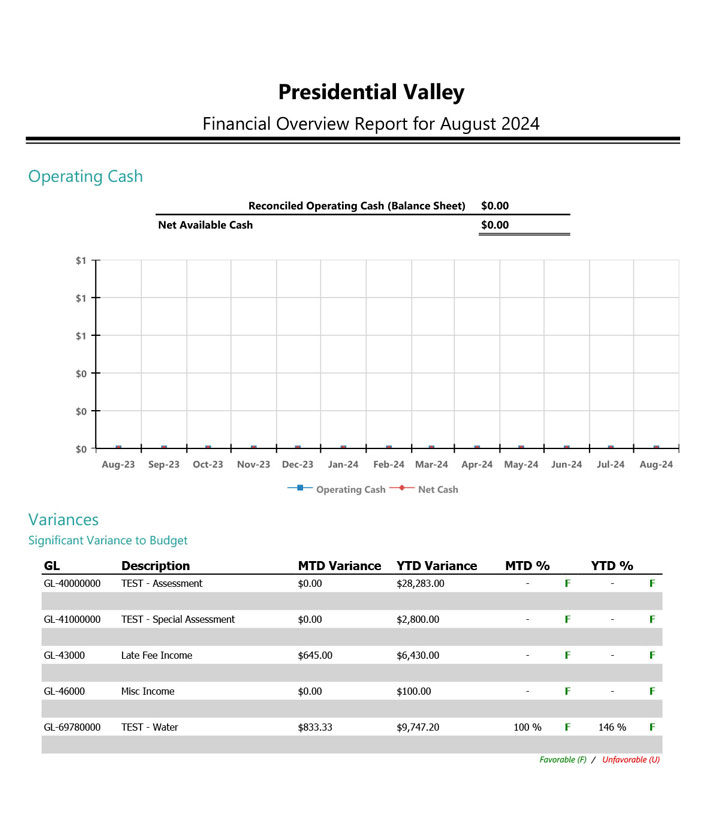
That reality shapes our Board Member Experience®. The Association Manager who comes to your meeting has already gone through the materials, so the time you spend together stays focused on what your board actually needs to decide. Board packets reach members early enough to actually read. Financial reports come back in language a board member can use, with operating funds and reserves on different lines, and with the numbers tied to what vendors are quoting right now rather than figures carried forward from a previous budget.
Homeowner Experience
The daily inbound from homeowners is mostly routine. A resident wants to confirm pool hours, check the status of an architectural application, or verify that a recent payment cleared. None of that needs your Association Manager’s direct attention, and routing it that way creates delays nobody wants. Our Homeowner Experience® sends those questions to the Solution Team, where the focus is on answering homeowner inquiries quickly. Your Association Manager keeps their bandwidth available for situations that actually require judgment. The Association Coordinator picks up anything the Solution Team can’t resolve directly.
Financial Management
Vendor work in Wilsonville carries the metro pricing reality more than the smaller-city pricing some boards expect. Contractors here compete in the same market as Portland, and the rest of the southwest metro, and the qualified ones doing reliable work stay booked across multiple jurisdictions. Insurance has climbed every year for several years running with no real sign of slowing.
The numbers behind our financial services come from contractors who actively bid work in this part of the metro, not regional averages and prior-year figures someone adjusted upward. Monthly reports explain spending in language a board member can understand without needing clarification. Collections follow Oregon statute, which carries its own specific process requirements. Reserve studies are priced on local figures, so the numbers boards plan with have some actual connection to what bids come back at.
Team-Based Structure
The single-manager model is how most management companies in this industry run their work. One person handles everything for a community, and most of the time, it functions well enough. The problem surfaces when something goes wrong. Someone takes a vacation, gets sick, or gives notice, and suddenly the service hits a gap. Vendors aren’t getting callbacks. Projects lose momentum. The institutional knowledge that the manager built around your community over time walks out the door with them.
That problem is exactly what our team structure addresses. Your Association Manager is the one carrying the board relationship and handling situations that require experience to handle correctly. Vendor work and project tracking go through the Association Coordinator. The Solution Team picks up the homeowner volume that would otherwise pile up. The whole team operates from the same systems and the same records, so when somebody’s out, the work doesn’t stall, and your board doesn’t end up explaining it to homeowners.
Traditional management assigns everything to one manager. When that person takes a vacation, gets sick, or quits, service drops immediately. Deadlines slip. Vendors don’t hear back. All that manager’s knowledge leaves with them.
Our team structure prevents these problems. Association Managers handle board relationships and complex problem-solving. Association Coordinators manage projects and vendors. The Solution Team handles daily homeowner questions. Everyone uses shared systems, so service continues when someone’s unavailable.
Lake Stevens communities see real benefits. Email about an urgent issue late afternoon, and you’ll get a response, even if your main contact left early. Projects keep moving along because multiple people know the status. When staff leave, institutional knowledge stays documented.
New board members can access organized records instead of reconstructing history from scattered emails. When questions arise about previous board decisions, documentation provides context.
Montana communities handle harsh winters and specific seasonal maintenance requirements. Properties in growing cities like Bozeman and Missoula need management that understands both the environmental challenges and the state’s regulatory framework for community associations.
Why Wilsonville Communities Choose Nova
The things that actually matter when a board evaluates a management company are pretty specific. Working relationships with vendors who serve the southwest metro. A real sense of what Wilsonville-area projects cost. Engagement with Oregon community association law through CAI (Community Associations Institute) involvement. Our customized management solutions are put together around what your community needs specifically, not a service template designed for some other market.
Let's Talk About Your Wilsonville Community
Contact us to connect with our team. Tell us about your association, and we’ll walk through what working together would look like.
FAQs
What does HOA management in Wilsonville usually cover?
A management company keeps the operational side of an association running, and the work spans more than boards usually expect. Administrative responsibilities include coordinating vendors, running board meetings, keeping the community in compliance with its governing documents, processing architectural review submissions, and handling homeowner communications. The financial side covers preparing the annual budget, sending out monthly reports, running collections, managing accounts payable, overseeing reserve funds, and handling year-end tax filings and audit support. Property work makes up its own category and runs through vendor oversight, preventive maintenance scheduling, and compliance inspections. In Wilsonville specifically, all of that runs against metro-area contractor rates, insurance premiums that keep climbing, and the legal requirements built into ORS Chapter 94 and ORS Chapter 100.
How does Nova stay current with Oregon HOA law?
CAI membership and ongoing professional development that stays focused on Oregon’s community association statutes. When ORS 94 or ORS 100 gets amended at the legislature, we review what the change actually means for your particular documents and community rather than circulating a blanket notice. Meeting procedures, collections, reserve disclosures, and financial reporting all follow current Oregon requirements, not whatever was standard practice a few years ago.
What communities does Nova manage in Wilsonville?
The community mix we serve in Wilsonville reflects the range of housing across the city. We work with single-family HOAs across the established neighborhoods east of I-5 and through more recent developments, along with condo associations in both older buildings and the newer mixed-use projects through the commercial corridors. Our townhome clients include communities from the Villebois buildout as well as from earlier construction cycles. We also manage larger planned communities like Charbonneau, and we work with gated and lifestyle communities running amenity infrastructure. For new communities transitioning from developer control, we provide services through that handoff to a homeowner-led board. Some associations bring us on for full management, while others want us in a more targeted role, and our customized management solutions accommodate both approaches.
How does Nova handle reserves and financials?
A reserve study built on broad regional cost data and an actual Wilsonville contractor bid usually don’t land on the same number. Boards typically don’t notice until they’re partway into a capital project, which is not the easiest time to have that conversation. We handle reserves with local pricing data instead, working from quotes provided by contractors who actively bid work in this market, so the figures your board uses for planning hold up when actual bids come in. Monthly financial services reports come back in plain language, with operating funds and reserves shown on separate lines so board members can read them without needing an accounting background. Collections follow Oregon statute. Year-end books are ready before your CPA has to follow up.
How does transitioning to Nova work?
We handle the preparation work before the start date rather than after. Governing documents, financial records, and vendor contracts get gathered and reviewed while we’re setting up systems for your community, so by the time we officially take over, we are already aware of the status. Homeowners hear from us in advance of the transition, which keeps the change from being a surprise. Your board sits down with us early to talk through what’s worked, what hasn’t, and what you want from a management company moving forward. At 60 days, we revisit how the service is landing against your expectations. Contact us to talk through what this would look like for your association.
Traditional management assigns everything to one manager. When that person takes a vacation, gets sick, or quits, service drops immediately. Deadlines slip. Vendors don’t hear back. All that manager’s knowledge leaves with them.
Our team structure prevents these problems. Association Managers handle board relationships and complex problem-solving. Association Coordinators manage projects and vendors. The Solution Team handles daily homeowner questions. Everyone uses shared systems, so service continues when someone’s unavailable.
Lake Stevens communities see real benefits. Email about an urgent issue late afternoon, and you’ll get a response, even if your main contact left early. Projects keep moving along because multiple people know the status. When staff leave, institutional knowledge stays documented.
New board members can access organized records instead of reconstructing history from scattered emails. When questions arise about previous board decisions, documentation provides context.
Montana communities handle harsh winters and specific seasonal maintenance requirements. Properties in growing cities like Bozeman and Missoula need management that understands both the environmental challenges and the state’s regulatory framework for community associations.

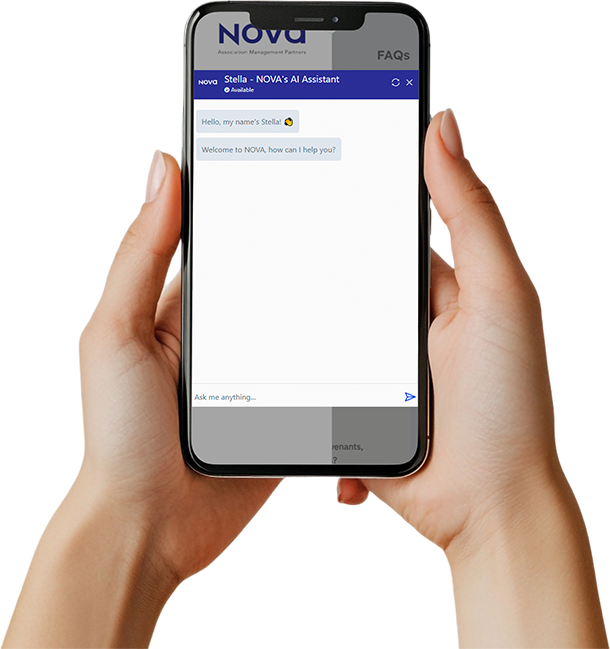
Ask Stella Anything
Our digital assistant is here for you day or night to answer questions and deploy solutions immediately.